Sports batting cages are high-use environments where athletes focus on performance, repetition, and improvement. Whether located indoors or outdoors, these spaces experience constant foot traffic, equipment movement, and environmental exposure. Over time, this creates maintenance challenges that go beyond basic cleaning. Dust buildup, worn surfaces, moisture, and even pest activity can quietly compromise safety and playability. Keeping batting cages clean, safe, and play-ready requires a coordinated approach that connects routine maintenance with proactive pest control.
Batting cages are often viewed as simple training structures, but in reality, they function like specialized facilities. When maintenance is overlooked, small issues can accumulate and affect athlete safety, equipment longevity, and overall usability. Understanding how cleanliness, structural upkeep, and pest prevention work together is essential for maintaining a reliable training environment.
Why Cleanliness Directly Impacts Player Safety and Performance
Cleanliness in batting cages is not just about appearance. Dust, debris, and residue can affect traction, visibility, and air quality. Fine dust from turf, clay, rubber infill, or surrounding outdoor areas can become airborne, irritating eyes and lungs during intense training sessions. Over time, this buildup also settles on nets, frames, and equipment, increasing wear and reducing visibility.
Slippery surfaces caused by dirt, moisture, or organic residue increase the risk of slips and falls. In high-speed environments where players are swinging bats and tracking fast-moving balls, even minor hazards can lead to injuries. Consistent cleaning helps maintain stable footing, clear sightlines, and a safer overall training space.
Routine Maintenance as the Foundation of Play-Ready Facilities
Maintenance forms the foundation of batting cage readiness. Nets, frames, flooring, lighting, and protective padding all require regular inspection and care. Nets can fray or loosen, metal frames can corrode, and turf or flooring can degrade under repeated impact and foot traffic.
Routine maintenance allows facility managers to identify wear early and address it before it becomes a safety issue. Tightening loose components, repairing small tears, and replacing worn surfaces help ensure that the cage performs as intended. When maintenance is proactive rather than reactive, downtime is reduced and the facility remains consistently available for athletes.
How Environmental Conditions Create Hidden Risks
Batting cages are often exposed to environmental factors that accelerate deterioration. Outdoor cages face rain, humidity, temperature fluctuations, and debris from surrounding vegetation. Indoor cages may still experience moisture from condensation, poor ventilation, or nearby water sources.
These conditions contribute to mold growth, material breakdown, and pest attraction. Moisture trapped in flooring or padding creates environments where insects and rodents thrive. Over time, these hidden issues can undermine both cleanliness and structural integrity, making environmental management a critical part of maintenance planning.
The Overlooked Connection Between Cleanliness and Pest Activity
Pests are drawn to environments that offer shelter, moisture, and food sources. Batting cages can unintentionally provide all three. Accumulated dust, organic debris, spilled drinks, or nearby trash areas create conditions that attract insects and rodents.
Cracks in flooring, gaps in frames, and voids beneath turf provide ideal hiding and nesting spots. Once pests establish themselves, they can cause damage by chewing materials, contaminating surfaces, and creating unsanitary conditions. Pest activity is often a symptom of underlying maintenance gaps rather than an isolated problem.
Common Pests Found Around Batting Cages
Insects such as ants and spiders are commonly found in and around batting cages, especially where debris accumulates. Rodents may seek shelter beneath turf or within structural voids, particularly in outdoor or partially enclosed facilities. Birds may also become an issue in open structures, leaving droppings that affect cleanliness and health.
Each of these pests introduces specific risks. Insects can spread debris and create distractions, rodents can damage netting and wiring, and birds can contaminate surfaces. Addressing pest issues requires understanding why the environment is attractive to them in the first place.
How Poor Maintenance Encourages Pest Infestations
Neglected maintenance often creates the exact conditions pests seek. Loose or damaged netting allows easy entry, while poorly sealed edges and cracks offer shelter. Moisture from inadequate drainage or cleaning practices further increases attraction.
When cleaning focuses only on visible areas, pests can thrive unnoticed beneath surfaces or along perimeters. Over time, infestations grow and become harder to control. This is why pest control in batting cages must be integrated with maintenance and cleaning rather than treated as a separate task.
Preventive Cleaning Strategies That Reduce Pest Risks
Effective cleaning strategies go beyond sweeping and surface wiping. Removing organic debris, managing moisture, and keeping surrounding areas clean are key preventive measures. Floors should be cleaned regularly to remove dust and residue, and nets should be cleared of buildup that can trap insects.
Attention should also be given to storage areas, equipment racks, and corners where debris collects. Proper waste management and regular removal of trash reduce food sources that attract pests. When cleaning is consistent and thorough, it becomes one of the most effective forms of pest prevention.
Structural Maintenance as a Pest Control Tool
Structural integrity plays a major role in keeping pests out. Sealing gaps, repairing cracks, and maintaining tight connections between components limit access points. Well-maintained flooring and turf reduce voids where rodents might nest.
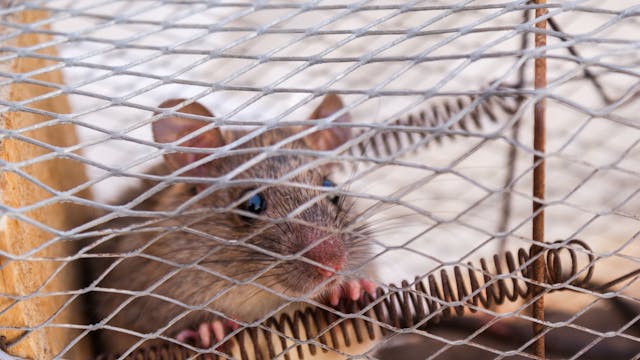
Regular inspections should include checking perimeters, joints, and concealed areas. Addressing these vulnerabilities early not only improves safety and durability but also eliminates opportunities for pests to establish themselves. In this way, maintenance becomes a proactive form of pest control.
Coordinating Pest Control With Facility Maintenance
Pest control is most effective when coordinated with overall facility maintenance. Treatments alone may temporarily reduce activity, but without addressing underlying conditions, pests are likely to return. A coordinated approach ensures that cleaning, repairs, and environmental management support long-term results.
This coordination may involve scheduling pest inspections alongside maintenance checks or adjusting cleaning routines based on seasonal pest activity. By aligning these efforts, facility managers can reduce reliance on reactive treatments and maintain a healthier environment.
Protecting Equipment and Infrastructure
Batting cages often contain valuable equipment, including pitching machines, lighting systems, and protective screens. Pests can damage wiring, hoses, and padding, leading to costly repairs and unexpected downtime.
Clean, well-maintained environments protect these investments. Preventing moisture buildup, sealing access points, and maintaining cleanliness around equipment reduce the likelihood of pest-related damage. This protection extends the lifespan of infrastructure and supports uninterrupted training schedules.
Health and Hygiene Considerations for Athletes
Athletes spend extended periods inside batting cages, making hygiene a critical concern. Pest droppings, insect debris, and mold growth pose health risks, especially in enclosed or poorly ventilated spaces. Cleanliness directly affects air quality and surface hygiene.
Maintaining a pest-free environment supports athlete health and comfort. It also reinforces confidence in the facility, ensuring that players and coaches feel safe using the space. Hygiene is not just a regulatory concern; it is part of creating a professional training environment.
Seasonal Challenges and Adjustments
Seasonal changes influence both maintenance needs and pest behavior. Warmer months often increase insect activity, while colder seasons may drive rodents indoors. Weather changes also affect moisture levels and material wear.
Adjusting maintenance and cleaning routines seasonally helps address these shifts. Increased inspections during high-risk periods allow issues to be identified early. Seasonal foresight keeps batting cages play-ready year-round rather than reacting to problems after they disrupt use.
Creating a Long-Term Maintenance and Pest Prevention Plan
Sustainable batting cage management relies on planning rather than ad-hoc fixes. A long-term plan that integrates cleaning schedules, maintenance inspections, and pest prevention measures provides consistency and reliability.
This plan should account for usage intensity, environmental exposure, and seasonal variations. Regular reviews ensure that practices remain effective as conditions change. When maintenance and pest control are treated as ongoing priorities, facilities remain safer and more efficient.
The Link Between Facility Care and Athletic Experience
The condition of a batting cage directly influences the athlete’s experience. Clean, well-maintained, and pest-free spaces allow players to focus on skill development rather than distractions or safety concerns. Poorly maintained facilities, on the other hand, can undermine confidence and limit effective training.
By investing in comprehensive care, facility managers support not only infrastructure but also athletic performance. The environment becomes an asset rather than a liability, reinforcing the purpose of the space.
Keeping Batting Cages Ready From the Ground Up
From routine maintenance to proactive pest control, keeping sports batting cages clean, safe, and play-ready requires attention to detail and long-term thinking. Cleanliness reduces hazards and improves performance, while maintenance preserves structure and functionality. Pest control ties these efforts together by addressing the environmental conditions that threaten both safety and hygiene.
When these elements are managed together, batting cages remain reliable training spaces that support athletes at every level. Rather than reacting to problems as they arise, a coordinated approach ensures that facilities stay ready for use, season after season.