Commercial roofing maintenance is usually associated with preventing leaks, extending roof lifespan, and protecting interior assets. What is often overlooked is how closely roofing conditions are tied to pest activity. Roofs are not just barriers against weather. They are gateways. When roofing systems deteriorate or are poorly maintained, they create ideal entry points and nesting environments for pests that can affect the entire building.
Integrating pest prevention into commercial roofing maintenance is not about adding another checklist item. It is about recognizing that roof-related vulnerabilities often become the starting point for infestations that later appear far from the roof itself. Addressing pest risks at the roofing level strengthens building protection from the top down.
Roofs Are Primary Entry Points for Pests
Many pests enter buildings from above rather than at ground level. Birds, rodents, and insects are drawn to rooftops because they offer height, shelter, and reduced human activity. Once pests gain access to roofing systems, they can move laterally and vertically through insulation, wall cavities, and mechanical pathways.
Small openings around flashing, seams, vents, or roof edges are often enough for pests to enter. These access points are rarely visible from the interior, allowing infestations to develop unnoticed. Roofing maintenance that includes pest awareness helps identify and close these openings before they become active entry routes.
Roofing Damage Creates Shelter and Nesting Zones
Damaged roofing materials create protected voids that pests use for nesting. Loose membranes, lifted edges, cracked sealants, and deteriorated insulation provide warmth and concealment. These conditions are especially attractive to rodents and birds seeking long-term shelter.
Once nesting begins, pests can cause additional damage by chewing materials, displacing insulation, or blocking drainage pathways. This damage accelerates roof deterioration and increases repair costs. Preventive maintenance that addresses early damage reduces both pest risk and structural degradation.
Drainage Systems and Roof Pests Are Closely Linked
Roof drainage components such as scuppers, drains, and gutters are common pest hotspots. Standing water, debris buildup, and organic material create environments that attract insects and birds. When drainage systems are not maintained, they become reliable pest attractants.
Blocked drains also contribute to water pooling, which weakens roofing materials and increases moisture intrusion. Moisture supports insect activity and softens materials that pests can exploit. Regular maintenance that keeps drainage systems clear supports both water control and pest prevention.
HVAC and Roof Penetrations Increase Vulnerability
Commercial roofs often contain multiple penetrations for HVAC units, exhaust systems, and utilities. Each penetration introduces a transition point that must be sealed properly. Over time, vibration, weather exposure, and material aging can compromise these seals.
Pests follow utility lines and mechanical systems because they provide direct pathways into buildings. Gaps around penetrations allow pests to bypass exterior walls entirely. Roofing maintenance that inspects and reinforces these areas reduces the likelihood of pests accessing interior spaces through rooftop systems.
Birds Cause More Than Surface-Level Problems
Bird activity on commercial roofs is more than a nuisance. Nesting materials block drainage, trap moisture, and introduce acidic droppings that degrade roofing surfaces. Over time, this accelerates wear and compromises roof integrity.
Bird nests also attract secondary pests such as insects and rodents, compounding the problem. When roofing maintenance includes monitoring for nesting activity, issues can be addressed before they escalate into structural or sanitation concerns.
Rodents Use Roofs as Travel Corridors
Rodents are agile climbers and frequently access roofs using adjacent structures, utility lines, or trees. Once on the roof, they explore edges, seams, and penetrations in search of entry points.
Chewing behavior allows rodents to enlarge small gaps quickly. If roofing maintenance does not address these vulnerabilities, rodents can establish access routes that extend into wall cavities and interior spaces. Preventive inspections help eliminate these access points before they become permanent pathways.
Moisture Issues Increase Pest Attraction
Moisture is a key factor in pest activity, and roofing systems play a major role in moisture control. Leaks, condensation, and pooling water all increase pest attraction by providing hydration and supporting food sources such as mold or organic debris.
Roofing maintenance that identifies moisture problems early reduces conditions pests rely on for survival. Addressing moisture issues at the roof level prevents pest problems from spreading downward into ceilings, walls, and occupied areas.
Roofing Maintenance Supports Interior Pest Control Efforts
Interior pest control measures are far less effective if roof-related entry points remain open. Pests that enter through roofing systems can bypass ground-level barriers entirely, rendering interior prevention strategies incomplete.
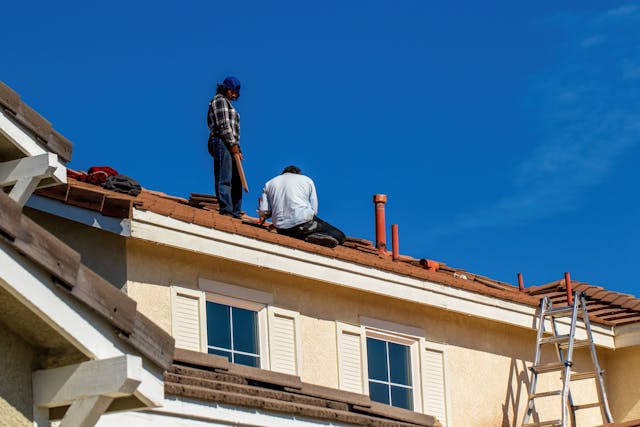
By integrating pest prevention into roofing maintenance, buildings benefit from a layered defense. Closing rooftop vulnerabilities reduces pressure on interior pest control efforts and improves overall effectiveness. Prevention becomes proactive rather than reactive.
Renovations and Repairs Are High-Risk Periods
Roof repairs and renovations temporarily expose building interiors and insulation layers. These periods create new opportunities for pests to enter if prevention is not considered.
Materials stored on rooftops, open seams, and disturbed insulation attract pests quickly. Including pest prevention measures during roofing work reduces the risk of introducing new infestations during maintenance or upgrades.
Long-Term Cost Implications of Ignoring Pest Risks
Pest-related damage often compounds roofing issues. Chewed insulation, blocked drains, and material displacement increase repair frequency and cost. In severe cases, infestations lead to interior contamination, downtime, or regulatory issues.
Preventive maintenance that addresses pest risks early is significantly more cost-effective than remediation after infestations are established. Protecting the roof protects the building investment as a whole.
Regulatory and Health Considerations
Certain commercial environments face strict regulations related to sanitation and pest control. Food service, healthcare, and manufacturing facilities are especially vulnerable to compliance issues linked to pest activity.
Roof-based infestations often trigger interior violations. Preventive roofing maintenance helps facilities maintain compliance by addressing risks at their source rather than reacting after inspection failures.
Roofing Design Influences Pest Resistance
Roof design choices affect long-term pest exposure. Clean transitions, sealed edges, proper slopes, and minimal debris collection areas all reduce pest harborage.
Maintenance teams that understand how design influences pest behavior can prioritize vulnerable areas more effectively. Over time, this knowledge supports smarter maintenance strategies and fewer recurring issues.
Coordination Between Roofing and Pest Prevention Teams
Pest prevention is most effective when roofing professionals and pest management teams coordinate efforts. Roofing inspections provide insight into structural vulnerabilities, while pest activity patterns highlight areas of concern.
This collaboration ensures that repairs address root causes rather than symptoms. Integrated maintenance planning strengthens building defenses and reduces long-term risk.
Preventive Maintenance Builds a Stronger Roof System
A roof that resists pests is a roof that lasts longer. When maintenance includes sealing gaps, managing drainage, and removing attractants, roofing systems perform better under all conditions.
Preventive care improves resilience, reduces emergency repairs, and supports consistent building performance. Pest prevention is not a separate goal. It is part of maintaining a durable roofing system.
Conclusion: Pest Prevention Starts at the Roof
Commercial roofing maintenance is about more than weather protection. Roofs are critical control points for pest entry, shelter, and movement. Ignoring pest risks at the roofing level allows infestations to develop silently and spread throughout the building.
By making pest prevention a standard part of commercial roofing maintenance, property owners reduce damage, protect interior spaces, and extend roof lifespan. Effective building protection begins at the highest point. When roofs are maintained with pest prevention in mind, the entire structure benefits from stronger, longer-lasting defense.