Commercial renovation projects focus on improving function, appearance, and long-term performance of a space. Budgets, schedules, and design decisions receive close attention, but pest issues are often treated as a separate concern to be handled later. This approach creates unnecessary risk. Renovation work actively disturbs building structures and environments in ways that can expose, attract, or worsen pest problems if they are not addressed at the right time.
Addressing pest issues during renovation is not about reacting to infestations. It is about prevention, protection, and long-term stability. Renovation projects offer a unique window to identify vulnerabilities, eliminate existing pest pathways, and design spaces that are easier to keep pest-free after the work is complete.
Renovation Work Disrupts Hidden Pest Activity
Many pest problems exist out of sight. Rodents, insects, and other pests often nest inside wall cavities, ceiling voids, crawlspaces, and utility chases. These areas are rarely accessed during normal building operations, allowing infestations to persist unnoticed.
Renovation work opens these hidden spaces. Demolition, wall removal, and system upgrades can displace pests, forcing them into occupied areas or adjacent spaces. If pest issues are not considered during this disruption, renovation can unintentionally spread infestations rather than resolve them.
Existing Buildings Often Have Undetected Vulnerabilities
Older commercial buildings frequently contain gaps, cracks, and outdated construction details that allow pest entry. Renovation projects that focus only on visible finishes may miss these vulnerabilities entirely.
When pest issues are addressed during renovation, teams can seal structural gaps, reinforce weak points, and correct design flaws that pests exploit. Ignoring these issues allows pests to return after renovations are complete, undermining the investment made in improving the space.
Pest Prevention Is More Effective When Walls Are Open
Once walls and ceilings are closed, pest prevention options become limited and expensive. During renovation, however, access to framing, utilities, and structural connections allows for thorough intervention.
This access makes it easier to install barriers, seal penetrations, and eliminate nesting zones. Addressing pests during renovation is far more effective than attempting corrective treatments after occupancy resumes, when access is restricted and disruption is costly.
Renovations Can Create New Pest Entry Points
Construction activity introduces new penetrations for plumbing, electrical, and mechanical systems. If these penetrations are not sealed properly, they become long-term pest entry points.
Addressing pest issues during renovation ensures that new openings are treated with prevention in mind. Coordinating pest prevention with construction details reduces the chance that renovation work creates new vulnerabilities that persist for years.
Moisture Changes Increase Pest Risk
Renovations often alter moisture conditions inside a building. New plumbing, HVAC changes, or temporary exposure during construction can increase humidity or create water intrusion.
Moisture attracts insects and rodents and supports their survival. When pest risk is considered alongside moisture control during renovation, design decisions can reduce conditions that pests rely on. Ignoring this relationship increases the likelihood of post-renovation infestations.
Occupied Renovations Amplify Pest Consequences
Many commercial renovations occur in occupied buildings. Offices, healthcare facilities, retail spaces, and multi-tenant properties often remain partially operational during construction.
Pest issues in occupied environments carry greater consequences. Displaced pests can enter workspaces, storage areas, or customer-facing zones. Addressing pest issues proactively during renovation reduces disruption, complaints, and reputational risk during the project.
Regulatory and Compliance Considerations
Certain commercial environments are subject to strict health and safety regulations. Food service, healthcare, education, and childcare facilities face heightened scrutiny related to pest control.
Failing inspections due to pest evidence can delay occupancy or result in fines. Addressing pest issues during renovation supports compliance and helps ensure the finished space meets regulatory standards from day one rather than requiring corrective action later.
Pest Damage Undermines Renovation Investments
Pests cause physical damage to building materials and systems. Rodents chew wiring and insulation. Insects damage wood and wall assemblies. These issues can compromise newly renovated areas shortly after completion.
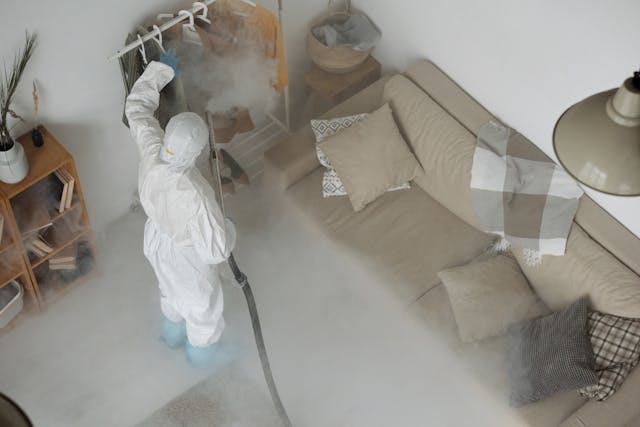
When pest issues are addressed during renovation, materials are protected before installation. This prevents damage to new finishes and reduces maintenance costs. Renovation investments last longer when pest risks are controlled early.
Design Choices Influence Long-Term Pest Exposure
Renovation is not only about repairing or updating spaces. It is also about design. Certain design choices make pest control easier or harder over time.
Built-in storage, sealed surfaces, proper drainage, and clean transitions all reduce pest harborage. Addressing pest concerns during renovation allows these design principles to be incorporated intentionally rather than retrofitted later with limited success.
Reducing Post-Renovation Downtime and Costs
Post-renovation pest problems are disruptive and expensive. Treating infestations after occupancy may require temporary closures, relocation of staff or tenants, and repeated treatments.
By addressing pest issues during renovation, these disruptions are largely avoided. Prevention measures implemented early reduce the likelihood of costly interventions later and support uninterrupted use of the renovated space.
Coordination Between Trades Improves Outcomes
Pest prevention is most effective when coordinated with construction activities. Sealing gaps, managing waste, controlling moisture, and organizing storage all require collaboration between trades.
Renovation projects provide a structured environment for this coordination. Addressing pest issues during the project ensures that prevention measures are integrated rather than working against finished construction.
Renovation Sets the Tone for Ongoing Maintenance
The way pest issues are handled during renovation influences how manageable the building is afterward. Spaces designed with prevention in mind are easier to maintain and monitor.
Maintenance teams benefit from fewer hidden voids, better access, and clearer layouts. Pest control becomes a routine task rather than an emergency response. Renovation is the best time to create this long-term advantage.
Pest Issues Affect Tenant and Client Confidence
Commercial renovations are often visible to tenants, customers, and stakeholders. Pest sightings during or after renovation damage confidence in the project and the organization behind it.
Addressing pest issues proactively protects reputation and reinforces professionalism. A renovated space that is clean, secure, and pest-free reflects attention to detail and responsible planning.
Prevention Is More Cost-Effective Than Correction
Reactive pest control after renovation typically costs more than preventative measures during construction. Emergency treatments, structural repairs, and lost productivity compound expenses quickly.
Addressing pest issues during renovation spreads prevention costs into the project budget while delivering long-term savings. This proactive approach aligns with smart renovation planning focused on total lifecycle cost rather than short-term savings.
Conclusion: Renovation Is the Best Time to Solve Pest Problems
Commercial renovation projects are not just about updating appearances or layouts. They are opportunities to correct underlying issues that affect long-term performance, including pest risks.
Addressing pest issues during renovation allows teams to eliminate hidden infestations, seal vulnerabilities, and design spaces that discourage pests moving forward. This proactive approach protects health, compliance, budgets, and reputation. Pest control is most effective when it is built into the renovation process, not postponed until problems resurface after the work is done.