Asphalt surfaces are often treated as simple functional elements of a property, but they play a far more critical role than most people realize. The way asphalt is installed, maintained, and repaired directly impacts how water flows across a space and whether that space becomes attractive to pests. When drainage is poor and surface integrity is compromised, asphalt quickly turns into a problem area that affects not just appearance but overall property health. Moisture buildup, surface cracks, and uneven grading create the exact conditions pests need to survive and multiply.
Property owners who deal with recurring drainage and pest issues often focus on separate solutions for each problem. However, asphalt maintenance sits right at the intersection of both. Addressing surface issues early helps control water flow and eliminates many of the conditions that attract insects and rodents. A more integrated approach to asphalt care can prevent a chain reaction of damage that becomes increasingly expensive to fix over time.
Why Asphalt Condition Directly Influences Drainage Behavior
The condition of asphalt determines how efficiently water moves across a property. A well-maintained surface allows water to flow smoothly toward designated drainage areas, preventing accumulation. When the surface begins to wear down, even slightly, it can disrupt this flow and create areas where water collects. These low spots may seem minor at first, but they gradually worsen as water continues to settle and seep into the material.
Over time, moisture weakens the internal structure of asphalt, especially when it penetrates through cracks. The base layers beneath the surface begin to lose their strength, leading to visible issues like depressions and potholes. As these defects grow, they further disrupt drainage patterns, allowing more water to accumulate. This creates a cycle where poor drainage leads to asphalt damage, and that damage makes drainage even worse.
Maintaining proper grading and surface smoothness is essential for preventing these issues. Regular inspections help identify subtle changes in elevation or surface wear before they become serious problems. Correcting these early ensures that water continues to move away from the property efficiently.
How Moisture Creates Ideal Conditions for Pest Activity
Moisture is one of the primary factors that attract pests to a property. When asphalt surfaces retain water, they create an environment that supports a wide range of pest species. Insects, in particular, rely on stagnant water for breeding. Even small puddles can serve as a habitat, making drainage issues a direct contributor to pest infestations.
Cracks and gaps in asphalt provide shelter for pests, allowing them to hide and reproduce safely. Rodents may use these openings to access the space beneath the surface, where they can burrow and create nests. As they move through these areas, they further weaken the structure of the asphalt, causing additional damage.
The presence of pests can quickly spread beyond the asphalt itself. Once established, they may move into nearby buildings, landscaping, or storage areas. This makes it important to address the root cause of the problem rather than just treating the symptoms. Controlling moisture through proper asphalt maintenance is one of the most effective ways to reduce pest activity.
Common Signs That Indicate Drainage Problems in Asphalt
Recognizing the early warning signs of drainage issues can save significant time and money. One of the most obvious indicators is standing water that remains on the surface long after rainfall. This suggests that the asphalt is not properly directing water away and may need adjustments in grading or repair work.
Cracking is another important sign to watch for. When cracks appear or begin to widen, they often indicate that water is infiltrating the surface and weakening the material. These cracks can quickly expand if left untreated, leading to more severe damage. The edges of the cracks may become rough or crumbly, signaling that the asphalt is breaking down.
Vegetation growth within cracks or along the edges of the asphalt is also a clear indication of moisture retention. Plants require consistent water to grow, so their presence suggests that certain areas of the surface are staying damp. This not only damages the asphalt further but also creates additional hiding places for pests.
Maintenance Approaches That Improve Drainage Efficiency
Effective asphalt maintenance focuses on keeping the surface intact and ensuring that water flows as intended. One of the simplest steps is regular cleaning. Removing debris such as leaves and dirt prevents blockages that can interfere with drainage. When water pathways are clear, it reduces the likelihood of pooling.
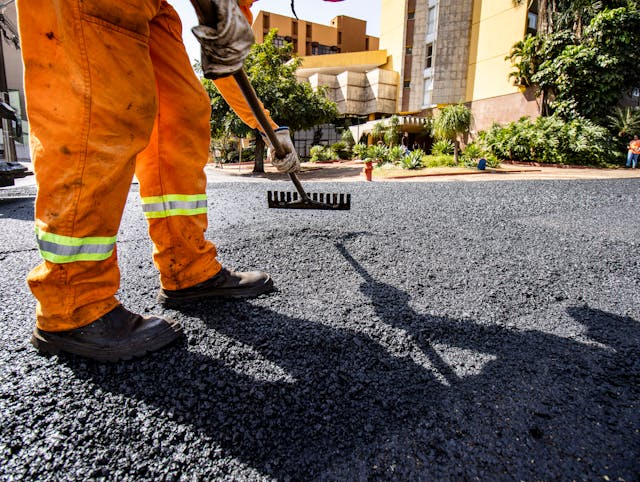
Sealing cracks as soon as they appear is another key strategy. This prevents water from entering the deeper layers of the asphalt and protects the base from damage. Sealcoating adds an additional layer of protection by creating a barrier against moisture and environmental wear. These preventive measures help extend the life of the surface while maintaining proper drainage.
In more severe cases, resurfacing or regrading may be necessary. Adjusting the slope of the asphalt ensures that water is directed toward appropriate drainage points. Although this requires more effort, it provides a long-term solution to persistent drainage issues.
Reducing Pest Attraction Through Better Surface Management
Maintaining asphalt in good condition significantly reduces the likelihood of pest infestations. A smooth, sealed surface leaves fewer opportunities for pests to find shelter or access water. Regular inspections allow property owners to identify potential problem areas and address them before pests can take advantage.
Eliminating standing water is one of the most effective ways to discourage insects. Without a reliable water source, many species cannot survive or reproduce. Sealing cracks removes potential entry points for rodents and other pests that rely on hidden spaces for nesting.
It is also important to consider the areas surrounding the asphalt. Keeping nearby vegetation trimmed and maintaining overall cleanliness reduces additional sources of moisture and shelter. When combined with proper asphalt care, these practices create an environment that is far less appealing to pests.
Seasonal Factors That Affect Asphalt Performance
Different seasons bring different challenges for asphalt surfaces, and understanding these changes helps guide maintenance efforts. During periods of heavy rain, drainage systems are put to the test. Frequent inspections during this time can reveal areas where water is not flowing properly, allowing for quick corrective action.
In warmer months, asphalt becomes softer and more vulnerable to damage. Standing water can accelerate this process, making it important to address drainage issues promptly. This is also when pest activity tends to increase, so maintaining dry and intact surfaces becomes even more critical.
Colder conditions introduce the risk of water freezing within cracks. As the water expands, it can cause the cracks to widen and lead to more significant damage. Preparing asphalt surfaces before colder weather by sealing cracks and ensuring proper drainage helps minimize these effects.
Long-Term Strategies for Durable and Pest-Resistant Asphalt
A proactive approach to asphalt maintenance provides the best results over time. Regular inspections, timely repairs, and consistent attention to drainage help prevent small issues from becoming major problems. This not only extends the lifespan of the asphalt but also reduces the likelihood of recurring pest activity.
Planning maintenance activities throughout the year ensures that the surface remains in optimal condition. Addressing drainage concerns early prevents water from causing structural damage, while maintaining surface integrity keeps pests from finding suitable habitats. This integrated strategy leads to more reliable and durable asphalt performance.
By focusing on both drainage and pest control as part of a unified maintenance plan, property owners can create a more stable and manageable environment. The result is a surface that performs well under various conditions and requires fewer costly interventions.
Creating a Balanced Approach to Property Care
Asphalt maintenance is most effective when it is approached as part of a larger property management strategy. Water flow, surface condition, and pest activity are all interconnected, and addressing them together leads to better outcomes. Ignoring one aspect often results in problems that affect the others, creating a cycle that is difficult to break.
Taking the time to understand how these elements interact allows property owners to make more informed decisions. Regular maintenance, combined with thoughtful planning, ensures that asphalt surfaces remain functional and resilient. Over time, this balanced approach reduces both visible damage and hidden risks, supporting a cleaner and more efficient property overall.