Pest problems around homes often feel sudden, but in reality they usually develop slowly due to environmental conditions that make outdoor spaces attractive for insects, rodents, and other unwanted organisms. Overgrown grass, unmanaged shrubs, standing water, and poor soil health all create ideal breeding and hiding conditions for pests. This is why lawn care and landscape maintenance are not just aesthetic practices—they are also important preventive strategies for pest control.
When outdoor spaces are properly maintained, they become less hospitable to pests and more balanced in terms of natural ecosystems. A well-kept lawn can significantly reduce pest populations before they even reach the home. For homeowners and property managers, understanding this connection can help shift pest control from a reactive process to a preventive one.
Why Overgrown Lawns Attract More Pests
One of the most common reasons pest infestations begin in residential areas is neglect of basic lawn maintenance. When grass grows too tall or becomes uneven, it creates shaded, humid environments that are ideal for insects such as mosquitoes, ticks, and ants. These pests thrive in areas where sunlight is blocked and moisture is retained for longer periods.
Overgrown lawns also provide hiding places for rodents and other small animals. Dense grass and unmanaged vegetation make it easier for pests to move undetected and establish nesting areas close to homes. Once these populations grow, they can quickly spread toward indoor spaces in search of food and shelter.
How Dense Vegetation Creates Safe Zones for Pests
Thick grass and uncontrolled plant growth act as protective cover for pests. This cover reduces exposure to predators and environmental changes, allowing pest populations to grow more rapidly. In many cases, homeowners do not realize there is a problem until pests begin entering living spaces.
Regular mowing and trimming disrupt these safe zones. By reducing density and keeping vegetation short, homeowners remove the protective environment that pests rely on. This simple practice alone can significantly reduce pest activity in outdoor areas.
The Role of Proper Lawn Health in Preventing Pest Infestations
Healthy lawns are naturally more resistant to pests. Grass that is properly watered, fertilized, and aerated grows stronger and is less likely to attract insects that feed on weak or decaying plant material. Poor soil conditions, on the other hand, often lead to patchy or dying grass, which becomes an easy target for pests.
When lawns are unhealthy, they also produce more organic debris such as dead grass and decaying roots. This material becomes a food source for many insects and creates ideal breeding grounds. Maintaining soil health helps reduce these conditions and keeps pest populations under control.
Why Balanced Soil Reduces Pest Activity
Soil health plays a key role in determining whether pests will thrive in a yard. Balanced soil supports strong root systems, which in turn produce healthier grass. Strong grass is less likely to become infested, and it also reduces exposed soil areas where pests can burrow or lay eggs.
Regular aeration and proper nutrient management improve soil structure and drainage. This reduces moisture buildup, which is especially important because many pests depend on damp environments to survive and reproduce.
Managing Moisture to Control Pest Populations
Excess moisture is one of the biggest contributors to pest problems in landscaped areas. Standing water, over-irrigation, and poor drainage systems create ideal breeding conditions for mosquitoes and other insects. Moist environments also attract termites and fungi that can damage both outdoor and indoor structures.
Proper lawn care includes monitoring irrigation systems and ensuring that water is evenly distributed without pooling. Drainage improvements, such as grading soil away from structures, also help prevent water accumulation. These adjustments reduce the likelihood of pest infestations developing in the first place.
How Water Management Disrupts Pest Life Cycles
Many pests rely on water to complete their life cycles. For example, mosquitoes lay eggs in stagnant water, and their larvae develop in these environments. By eliminating standing water, homeowners interrupt this cycle and prevent populations from growing.
Similarly, reducing excess moisture in soil helps discourage pests that prefer damp conditions. This creates a less favorable environment for reproduction and survival, making the entire landscape less attractive to pests overall.
Shrub and Tree Maintenance as a Barrier Against Pests
Trees and shrubs are essential components of landscaping, but when left unmanaged, they can become pathways for pests to enter homes. Branches that touch roofs or walls provide easy access for rodents and insects. Dense shrubbery near foundations can also create hiding places for pests seeking shelter.
Regular trimming and shaping of plants help maintain distance between vegetation and structures. This reduces the chances of pests using plants as bridges to enter homes. It also improves airflow and sunlight exposure, which makes the environment less favorable for pest survival.
Why Clearance Around Structures Matters
Creating space between plants and buildings is a simple but highly effective pest prevention strategy. When shrubs and trees are too close to walls or windows, they allow pests to move directly into indoor spaces without exposure.
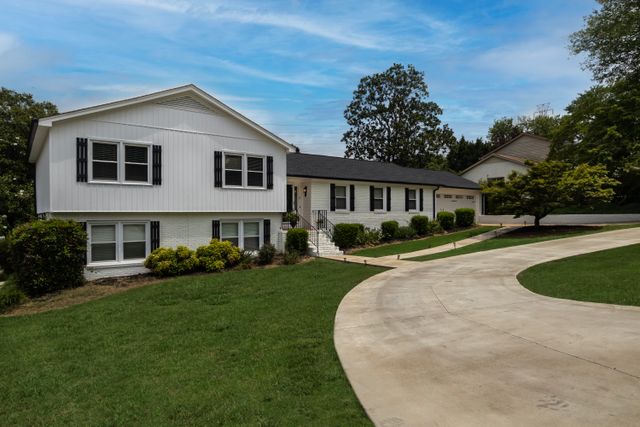
Maintaining clear zones around structures also makes it easier to spot early signs of pest activity. Without dense vegetation blocking visibility, homeowners can detect issues before they escalate into larger infestations.
Yard Cleanliness and Its Impact on Pest Control
A clean and well-maintained yard is less likely to attract pests because it removes many of the resources they depend on. Piles of leaves, dead branches, and organic waste provide both food and shelter for insects and rodents. When this material accumulates, it creates ideal nesting conditions close to homes.
Regular cleanup as part of landscape maintenance helps eliminate these risks. Removing debris, managing compost properly, and keeping outdoor areas tidy all contribute to reducing pest activity.
Breaking the Shelter Cycle Through Regular Maintenance
Pests often return to the same sheltered areas if conditions remain favorable. By consistently removing debris and maintaining cleanliness, homeowners break this cycle. Without stable shelter or food sources, pest populations struggle to establish themselves in the area.
This ongoing maintenance is more effective than occasional cleanup because it prevents pests from reestablishing their habitats over time.
The Connection Between Landscaping Design and Pest Prevention
Landscape design plays a long-term role in pest control. Thoughtfully planned outdoor spaces can naturally discourage pests by reducing hiding spots, improving drainage, and increasing sunlight exposure. Open, well-structured landscapes are generally less attractive to pests than dense, unmanaged environments.
Design choices such as plant spacing, material selection, and terrain shaping all influence how pests interact with a property. When these elements are considered from a maintenance perspective, landscaping becomes an active part of pest prevention rather than just decoration.
Designing Outdoor Spaces That Naturally Deter Pests
Strategic landscaping involves choosing plant arrangements and layouts that reduce moisture retention and limit shelter opportunities. For example, spacing plants properly allows sunlight and airflow to reach the ground, making it harder for pests to thrive.
Incorporating hardscape elements such as pathways and open areas can also reduce continuous vegetation cover. This interrupts pest movement patterns and makes it more difficult for infestations to spread across the yard.
Conclusion: Lawn Care as a First Line of Defense Against Pests
Lawn care and landscape maintenance play a far more important role in pest control than many homeowners realize. By managing grass height, improving soil health, controlling moisture, maintaining plants, and keeping outdoor areas clean, property owners can significantly reduce pest problems before they begin.
Instead of relying solely on chemical treatments or reactive pest control methods, consistent outdoor maintenance creates an environment that naturally discourages infestations. This preventive approach is not only more effective but also more sustainable in the long term.
Ultimately, a well-maintained landscape is more than just visually appealing—it is a protective barrier that helps keep homes safer, healthier, and more comfortable by reducing the conditions that pests depend on to survive.