Outdoor surfaces like driveways, walkways, and patios are often seen as purely structural parts of a property, but they actually play an important role in overall pest control. When pavement is cracked or drainage is poorly managed, it creates hidden micro-environments that attract insects, rodents, and other pests. These small issues in hardscape design can quietly turn into long-term pest habitats if they are not addressed early.
Pests are not random in where they settle. They are drawn to moisture, shelter, food sources, and stable hiding spaces. Cracked pavement and water accumulation provide exactly these conditions, especially when combined with nearby soil, vegetation, or organic debris. Over time, these areas can become entry points that allow pests to move closer to or even inside the home.
Why Cracked Pavement Becomes a Hidden Shelter for Pests
Cracks in pavement may look like minor cosmetic issues, but they often create deep and narrow spaces where pests can hide without being disturbed. These gaps provide protection from sunlight, predators, and human activity, making them ideal micro-shelters for insects such as ants, cockroaches, and termites, as well as small rodents.
As cracks expand over time, they become even more suitable for nesting and movement. Soil can accumulate inside these gaps, creating a soft foundation where pests can dig and establish deeper colonies. In many cases, homeowners do not realize these spaces are active pest zones because the activity happens below the surface.
How Small Surface Damage Turns Into Long-Term Habitat
What begins as a hairline crack can gradually widen due to weather changes, vehicle pressure, and water infiltration. Each expansion increases the space available for pests to enter and expand their activity.
Once pests establish themselves in these protected spaces, they often use them as launch points to move toward nearby gardens, foundations, or indoor entry points. This makes early repair of pavement damage an important part of pest prevention.
The Role of Moisture in Attracting Pest Activity
Moisture is one of the strongest factors that attracts pests, and poor drainage directly contributes to this problem. When water collects on or beneath pavement, it creates damp conditions that many pests depend on for survival and reproduction.
Standing water and consistently damp surfaces attract mosquitoes, flies, and other insects that require moisture for breeding. At the same time, damp soil beneath cracked pavement becomes ideal for ants, termites, and other burrowing pests.
Why Damp Environments Support Pest Growth
Most pests rely on moisture to complete key parts of their life cycle. Without it, their ability to reproduce or survive decreases significantly. Poor drainage ensures that moisture remains available for longer periods than it naturally should.
This constant availability of water transforms hardscape areas into semi-natural habitats, even though they are part of a built environment. Over time, these damp zones can support growing pest populations close to living spaces.
How Poor Drainage Creates Pest Pathways Toward Homes
Drainage problems do more than just create standing water—they also change how pests move across a property. Water naturally flows toward lower points, and pests often follow the same paths, especially when they lead toward shelter or food sources.
When pavement is improperly sloped or drainage channels are blocked, water can pool near foundations. This creates a direct link between outdoor pest habitats and indoor entry points. Moist soil and cracks near building edges make it easier for pests to move inside through small openings.
Why Water Flow Influences Pest Movement Patterns
Many pests, especially insects, follow moisture gradients. Areas with higher humidity or standing water become natural attraction points. If drainage directs water toward buildings, it unintentionally guides pests in the same direction.
This makes drainage design a critical factor not only for preventing water damage but also for controlling pest movement around the property.
Cracks and Drainage as Combined Pest Ecosystems
When cracked pavement and poor drainage exist together, they create a complete ecosystem for pests. Cracks provide shelter, while moisture provides survival conditions. Together, they form a stable environment where pests can live, breed, and expand.
These combined conditions are especially problematic because they support multiple types of pests at once. Insects may use cracks for nesting, while moisture attracts breeding activity, and rodents may use both for shelter and movement routes.
How Multiple Pest Types Share the Same Environment
Different pests often coexist in these environments because each finds a specific benefit. Some use cracks for hiding, others rely on moisture for reproduction, and some are attracted to the organic material that accumulates in damp areas.
This overlap increases pest density and makes infestations harder to control once they become established.
How Nearby Landscaping Amplifies the Problem
Pest-friendly pavement conditions become even more problematic when combined with nearby landscaping. Grass, plants, mulch, and soil near cracked or poorly drained pavement provide additional food sources and shelter options for pests.
Moisture from drainage issues can also spread into surrounding soil, making nearby landscaping more attractive to pests. This creates a continuous pathway from outdoor surfaces into garden areas and eventually toward the home.
Why Transition Zones Are High-Risk Areas
The boundary between pavement and soil is especially vulnerable because it combines hard surfaces with natural environments. Cracks at these edges allow pests to move easily between the two zones.
When moisture is present, this transition zone becomes even more active, supporting both movement and breeding activity.
The Risk of Indoor Infestation From Outdoor Damage
One of the most concerning outcomes of cracked pavement and poor drainage is the potential for indoor pest infestation. Once pests establish stable populations outdoors, they often expand inward in search of food and shelter.
Small structural openings near foundations, doors, or utility lines can serve as entry points. Over time, what begins as an outdoor maintenance issue can evolve into a full indoor pest problem.
How Outdoor Conditions Influence Indoor Safety
The condition of outdoor surfaces often determines how likely pests are to enter a home. When exterior environments are dry, clean, and well-maintained, pests are less likely to approach structures.
However, when cracks and moisture create favorable conditions, the pressure of growing pest populations increases the likelihood of indoor migration.
Preventing Pest-Friendly Conditions Through Maintenance
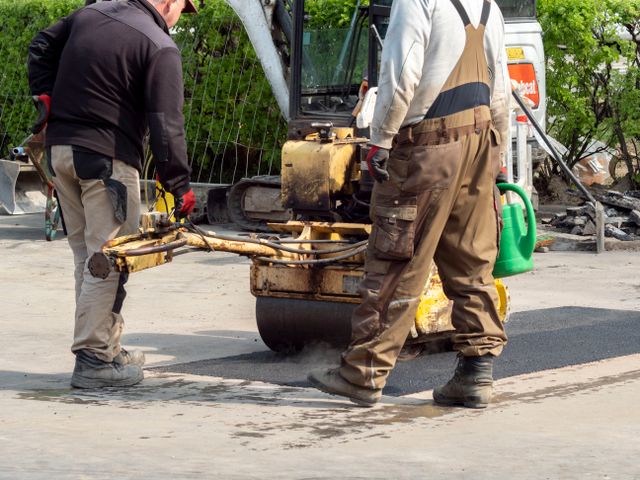
The good news is that these risks can be significantly reduced through regular maintenance. Repairing cracks, improving drainage, and keeping surfaces clean all help eliminate the conditions pests depend on.
Sealing pavement damage prevents shelter formation, while proper grading and drainage systems reduce moisture buildup. Together, these actions make outdoor environments less suitable for pest activity.
Why Prevention Is More Effective Than Pest Removal
Once pests establish themselves in cracks or damp areas, removing them becomes more difficult and often requires targeted treatment. Preventing these environments from forming in the first place is more efficient and long-lasting.
Regular inspection and timely repair ensure that small issues do not evolve into larger pest-related problems.
Conclusion: Surface Maintenance as a Hidden Layer of Pest Control
Cracked pavement and poor drainage may seem like minor structural concerns, but they play a significant role in creating pest-friendly environments. By providing shelter, moisture, and movement pathways, they support conditions that allow pests to thrive close to homes.
Addressing these issues through proper maintenance is not just about preserving surfaces—it is also about protecting the home from unwanted pest activity. When pavement is sealed and drainage is properly managed, the environment becomes far less attractive to insects and rodents.
Ultimately, good hardscape maintenance is a quiet but powerful form of pest prevention, helping to keep properties safer, cleaner, and more resilient over time.