Wetlands and streams are essential parts of natural ecosystems, but they also require careful management when they exist near residential areas, farms, or public spaces. While these water systems support biodiversity and environmental balance, poorly maintained or stagnant water zones can become breeding grounds for mosquitoes and other pests. This creates a direct link between water management practices and local public health.
Effective wetland and stream management is not about removing natural water systems—it is about maintaining their flow, balance, and ecological function so they do not unintentionally support pest populations. When water movement is controlled and habitats remain healthy, mosquito breeding is reduced and overall pest activity becomes easier to manage.
How Stagnant Water in Wetlands Encourages Mosquito Breeding
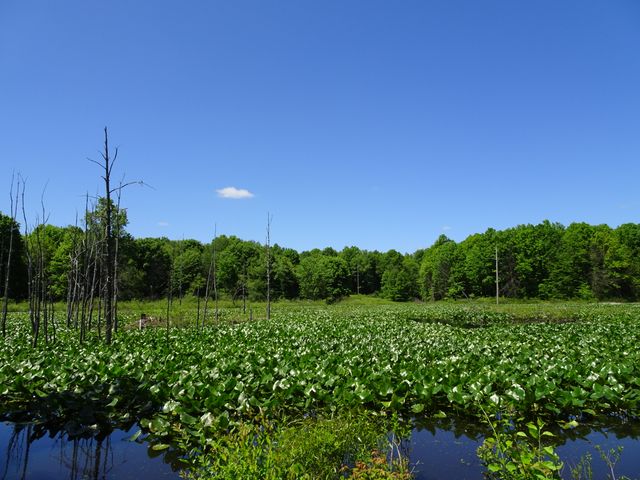
Mosquitoes rely on still or slow-moving water to complete their life cycle. Female mosquitoes lay eggs on or near stagnant water surfaces, and larvae develop in these environments until they mature. When wetlands lose their natural flow or become blocked with vegetation and debris, they can turn into ideal breeding zones.
In healthy wetlands, water movement, predators, and balanced vegetation naturally limit mosquito populations. However, when these systems are disrupted, the ecological checks and balances weaken. This allows mosquito populations to grow rapidly, especially in warm and humid conditions.
Why Water Movement Is Critical for Mosquito Control
Mosquito larvae thrive in still water because they require a stable environment with minimal disturbance. Flowing or well-circulated water makes it difficult for larvae to survive and reduces the likelihood of successful breeding.
This is why maintaining natural water flow in wetlands and streams is one of the most effective biological controls for mosquito populations. Even small improvements in circulation can significantly reduce pest reproduction rates.
The Role of Stream Flow in Preventing Pest Habitats
Streams play a similar role to wetlands in pest control, but their primary function is continuous water movement. When streams are properly maintained, they naturally discourage mosquito breeding and reduce the accumulation of organic debris where pests can thrive.
However, when stream channels become blocked, narrowed, or diverted, water flow slows down. These slower sections can develop into stagnant pools that become ideal mosquito habitats. Over time, this can lead to localized pest outbreaks even in areas that are otherwise environmentally stable.
How Blockages Create Micro Breeding Zones
Natural debris, sediment buildup, and vegetation overgrowth can all restrict stream flow. When this happens, water collects in isolated pockets along the streambed.
These pockets become micro habitats where mosquitoes and other insects can reproduce without disturbance. Because these areas are often hidden or spread out, they can be difficult to detect until pest populations increase significantly.
How Wetland Vegetation Influences Pest Populations
Vegetation is a natural and necessary part of wetland ecosystems, but its density and distribution must be balanced. Excessive plant growth can slow water movement and create shaded, humid areas that are favorable for pests.
Dense vegetation also provides shelter for adult mosquitoes and other insects, allowing them to rest during the day and remain close to breeding sites. When combined with stagnant water, this creates a complete lifecycle environment for pests.
Why Balanced Vegetation Supports Natural Pest Control
In a well-managed wetland, vegetation supports biodiversity without overwhelming water flow. Aquatic plants provide habitat for predators such as fish, amphibians, and insects that feed on mosquito larvae.
This natural predation helps regulate pest populations without the need for chemical intervention. Maintaining this balance is key to ensuring that wetlands remain ecologically healthy and pest-resistant.
The Connection Between Organic Matter and Pest Growth
Wetlands and streams naturally collect organic material such as leaves, algae, and decomposing plant matter. While this is part of a healthy ecosystem, excessive buildup can create nutrient-rich environments that support insect breeding.
Mosquito larvae often feed on microorganisms found in decaying organic matter. When nutrient levels become too high due to poor water management, pest populations can increase rapidly.
How Nutrient Imbalance Affects Water Health
When organic matter accumulates faster than it can decompose or be flushed away, it disrupts the natural balance of the water system. This can reduce oxygen levels and create conditions that favor pests over beneficial aquatic life.
Proper stream and wetland management helps maintain this balance by ensuring that organic material is naturally cycled and does not accumulate excessively in one area.
How Poor Water Management Impacts Nearby Communities
When wetlands and streams are not properly managed, the effects often extend beyond the water system itself. Increased mosquito populations can affect nearby homes, schools, parks, and agricultural areas.
This can lead to higher risks of mosquito-borne diseases, increased nuisance pest activity, and reduced quality of life for surrounding communities. In some cases, unmanaged water systems can become long-term sources of recurring pest problems.
Why Local Environment Conditions Matter for Public Health
Mosquitoes do not remain confined to wetlands or streams. Once they mature, they can travel into nearby residential areas in search of food sources. This means that unmanaged water systems can directly impact human populations.
Effective management reduces these risks by limiting breeding opportunities at the source, rather than relying on reactive pest control methods later.
Integrated Pest Control Through Natural Water Management
One of the most effective approaches to mosquito control is integrating pest management with environmental maintenance. Instead of relying solely on chemical treatments, maintaining healthy water systems reduces pest populations naturally.
This includes ensuring proper water flow, controlling vegetation growth, and preventing excessive nutrient buildup. When these elements are managed together, wetlands and streams become less favorable for mosquito reproduction.
Why Prevention Is More Effective Than Treatment
Once mosquito populations become established, they are difficult to eliminate completely. Chemical treatments may reduce numbers temporarily, but they do not address the underlying environmental conditions that support breeding.
Preventive water management focuses on eliminating those conditions before pests can establish themselves. This leads to longer-lasting and more sustainable control outcomes.
The Role of Biodiversity in Natural Pest Regulation
Healthy wetlands and streams support a wide range of species that naturally control mosquito populations. Fish, amphibians, dragonflies, and other aquatic organisms feed on mosquito larvae and help keep populations in balance.
When biodiversity is strong, pest populations are naturally regulated without external intervention. However, when ecosystems are degraded, these natural predators decline, allowing mosquitoes to multiply more easily.
Why Ecosystem Balance Supports Long-Term Control
Biodiversity creates a layered defense system against pests. Each species plays a role in maintaining balance, from larvae predators in the water to insect predators in the air.
This natural regulation is far more sustainable than periodic chemical control because it maintains continuous pressure on pest populations.
Conclusion: Water Management as a Foundation for Pest Prevention
Wetland and stream management is a critical but often overlooked part of mosquito and pest control. When water systems are well-maintained, flowing, and ecologically balanced, they naturally limit pest breeding and support healthy biodiversity.
However, when these systems become stagnant, overgrown, or nutrient-rich, they can quickly turn into ideal environments for mosquitoes and other pests. This not only affects local ecosystems but can also impact nearby communities and public health.
Ultimately, effective water management is not just an environmental responsibility—it is a practical strategy for long-term pest prevention. By maintaining healthy wetlands and streams, we reduce reliance on reactive treatments and create safer, more balanced outdoor environments.