Construction sites are dynamic environments with constant movement of materials, equipment, and personnel. While safety and efficiency often take priority, pest risk is a frequently overlooked concern. The way materials and industrial supplies are stored on-site can significantly influence whether pests are attracted, sustained, or discouraged. Poor storage practices create conditions that allow pests to thrive, leading to damage, delays, and long-term complications for both active construction and finished structures.
Understanding the relationship between material storage and pest activity helps construction teams reduce preventable risks. By addressing pest exposure early, sites remain safer, cleaner, and more compliant throughout the project lifecycle.
Why Construction Sites Attract Pests
Construction sites naturally disrupt the surrounding environment. Ground disturbance, exposed soil, and temporary shelter structures create ideal entry points for pests. When combined with stored materials that offer nesting spaces or food sources, sites can quickly become attractive habitats.
Rodents, insects, and other pests are opportunistic. They seek warmth, cover, and access to resources. Construction materials, especially when stored improperly, often provide all three. Once pests establish themselves on-site, they can spread rapidly as construction progresses.
The Role of Material Storage in Pest Exposure
Material storage is one of the most influential factors in pest presence. Stacked materials, packaging waste, and unused supplies can form hidden voids where pests nest undisturbed. When materials remain stationary for extended periods, they become part of the environment rather than temporary resources.
Ground-level storage increases exposure to burrowing pests and moisture-related insects. Materials placed directly on soil absorb moisture and create cool, protected spaces underneath. These conditions are especially appealing to rodents, ants, and termites, which thrive in sheltered, damp environments.
Packaging Materials as Pest Attractants
Industrial supplies often arrive with packaging that unintentionally attracts pests. Cardboard, paper wrapping, and wooden pallets provide nesting material and warmth. When packaging is left on-site, it quickly becomes a habitat rather than waste.
Food residue from shipping, dust accumulation, and moisture absorption further increase risk. Even non-food materials can support pests if packaging is not removed promptly. Managing packaging waste is as important as storing the materials themselves.
Bulk Materials and Hidden Nesting Zones
Bulk materials such as insulation, piping, and bundled components often sit untouched for weeks or months. These items create enclosed spaces that are difficult to inspect visually. Pests take advantage of these hidden zones to nest and reproduce without detection.
Once construction resumes around these materials, pests may disperse into walls, ceilings, and utility pathways. What begins as a storage issue can become a structural problem that follows the building into occupancy.
Moisture Control and Pest Activity
Moisture is a key driver of pest activity on construction sites. Materials that retain moisture or are stored in poorly drained areas increase pest risk significantly. Standing water, damp packaging, and condensation all create conditions favorable to insects and rodents.
Improperly covered materials exposed to rain or humidity contribute to this problem. Moist environments support insects directly and also attract rodents seeking water sources. Controlling moisture through elevated storage and protective coverings reduces these risks.
Supply Placement and Site Layout
Where supplies are placed on-site matters as much as how they are stored. Materials stored near perimeter fencing, vegetation, or unfinished foundations are more accessible to pests. These areas often serve as natural travel routes for rodents and insects.
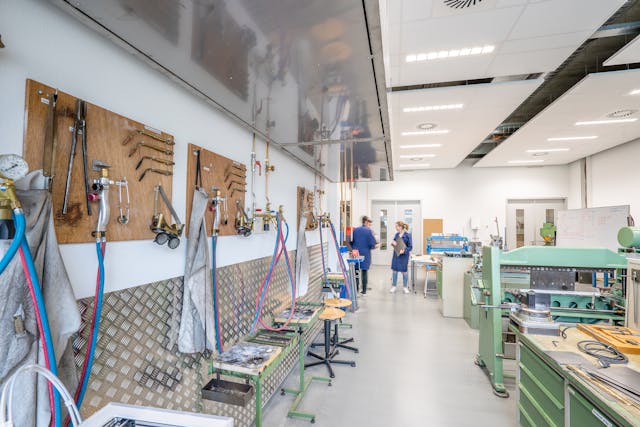
Centralizing storage in well-lit, monitored areas reduces pest access. Clear separation between storage zones and waste areas also limits cross-contamination. Site layout decisions directly influence pest movement patterns and nesting opportunities.
Impact on Structural Integrity and Materials
Pests do not just create nuisance issues. They can damage materials before installation. Rodents gnaw through insulation, wiring sheaths, and packaging. Insects compromise wood-based materials and contaminate stored components.
Damaged materials lead to reordering, delays, and increased costs. In some cases, compromised materials are installed unknowingly, introducing long-term issues into the finished structure. Prevention at the storage stage protects both materials and project timelines.
How Poor Storage Leads to Post-Construction Infestations
Pest problems that begin during construction rarely end when the project is complete. Pests that establish themselves early often remain hidden within walls, ceilings, and utility spaces. Once the building is occupied, these infestations become far more difficult and costly to address.
Improper storage during construction is a leading contributor to post-build pest issues. Addressing pest risks only after occupancy ignores the root cause. Effective storage practices help prevent pests from becoming part of the structure itself.
The Importance of Rotation and Inventory Control
Long-term storage increases pest exposure. Materials that sit unused for extended periods provide stable habitats. Poor inventory control allows supplies to be forgotten until pests are well established.
Regular rotation and just-in-time delivery reduce this risk. When materials arrive closer to their installation date, storage duration shortens, limiting opportunities for pest nesting. Active inventory management supports both pest prevention and project efficiency.
Waste Management and Supply Storage Interactions
Waste areas and supply storage zones often overlap on construction sites. This proximity increases pest risk. Food waste from workers, packaging debris, and scrap materials attract pests that then move into nearby stored supplies.
Separating waste disposal from material storage is critical. Frequent waste removal and designated disposal areas reduce attraction. Clean storage zones discourage pests from migrating deeper into the site.
Training and Accountability on Construction Sites
Even well-designed storage plans fail without consistent execution. Workers may stack materials improperly, leave packaging behind, or store supplies in convenient but risky locations. Training helps teams understand how daily habits affect pest exposure.
Clear accountability ensures storage standards are maintained throughout the project. When pest prevention is treated as a shared responsibility, risks are reduced across all phases of construction.
Integrating Pest Awareness Into Site Planning
Pest prevention should be considered during site planning, not addressed reactively. Storage locations, delivery schedules, and material handling procedures all influence pest exposure. Proactive planning reduces the need for corrective measures later.
Coordination between site managers, suppliers, and subcontractors ensures storage practices remain consistent. This integrated approach supports cleaner, safer, and more controlled construction environments.
Long-Term Benefits of Proper Storage Practices
Managing pest risks through proper material storage delivers long-term benefits. Projects experience fewer delays, reduced material loss, and lower remediation costs. Finished buildings are less likely to develop early pest problems, protecting reputation and client satisfaction.
These benefits compound across projects. Construction teams that prioritize storage discipline build more resilient workflows and reduce preventable risks that affect both schedule and quality.
Conclusion: Pest Control Starts With Storage Discipline
Pest risks on construction sites are not random. They are heavily influenced by how materials and industrial supplies are stored and managed. Improper storage creates shelter, moisture, and nesting opportunities that pests exploit quickly.
By elevating materials, managing packaging waste, controlling moisture, and planning storage intentionally, construction sites can significantly reduce pest exposure. Pest control does not begin after construction. It begins with disciplined storage practices from day one.