A surface can shine and still attract pests. Floors can be mopped, counters disinfected, trash removed, and yet rodents or insects find reasons to return. Cleanliness alone does not guarantee protection. It reduces risk, but it does not eliminate vulnerability.
In both residential homes and commercial facilities, the gap between cleaning and pest control is where infestations often begin. Crumbs may be gone, but entry points remain. Waste may be removed, but moisture lingers. Storage may look organized, but structural gaps invite intrusion. True protection happens when cleaning strategies are aligned with pest prevention principles.
Integrating pest prevention into routine cleaning transforms maintenance from cosmetic upkeep into strategic defense. It shifts the goal from visible tidiness to controlled environments.
Cleaning As The First Line Of Defense
Pests are drawn to three primary factors: food, water, and shelter. Cleaning addresses the first two directly, but only when done with intention. Standard surface cleaning removes visible debris. Prevention focused cleaning targets hidden attractants.
In residential kitchens, this means not only wiping countertops but addressing grease buildup behind appliances. In commercial environments such as restaurants, warehouses, and offices, it involves consistent sanitation of storage areas, drains, and waste zones. These overlooked areas often become breeding grounds.
When cleaning teams understand pest behavior, their routines become more strategic. Eliminating residue, controlling moisture, and sealing food sources reduce the conditions pests rely on to thrive.
Moisture Management And Hidden Risk
Water is one of the strongest pest attractants. Leaking pipes, condensation, and damp storage areas create ideal conditions for insects and rodents. Traditional cleaning protocols may dry visible surfaces but overlook persistent humidity or unnoticed leaks.
Integrating pest awareness means inspecting for moisture as part of cleaning routines. In residential bathrooms and basements, this could involve monitoring grout lines and ventilation. In commercial facilities, especially food processing or hospitality spaces, drainage systems and refrigeration units require regular checks.
By identifying and addressing moisture issues early, cleaning teams prevent conditions that allow infestations to take hold. This proactive approach reduces reliance on reactive pest treatments later.
Structural Awareness During Routine Maintenance
Cleaning staff often move through spaces more frequently than any other team. They are uniquely positioned to notice small changes that signal vulnerability. Cracks along baseboards, gaps around doors, or damaged screens may seem minor from a housekeeping perspective but significant from a pest prevention standpoint.
When cleaning and pest prevention are integrated, teams are trained to observe and report these issues. In residential settings, early identification of entry points can prevent rodents from establishing nests. In commercial buildings, structural awareness protects inventory, equipment, and brand reputation.
This collaborative mindset transforms cleaning personnel into an extension of the pest management strategy rather than a separate function.
Waste Handling And Storage Protocols
Improper waste management is one of the most common drivers of pest activity. Overflowing bins, inconsistent disposal schedules, and poorly sealed containers create consistent attractants.
In homes, this may appear as unsecured outdoor trash bins or compost areas placed too close to entry points. In commercial environments, especially restaurants and retail centers, waste staging areas require strict protocols.
Integrated cleaning and pest prevention strategies define clear guidelines. Waste is removed at consistent intervals. Containers are sealed and cleaned regularly. Outdoor disposal areas are monitored for spillage and residue. These measures reduce food access and discourage repeated pest visits.
Inventory Protection In Commercial Spaces
Commercial facilities face higher stakes. Warehouses, retail stores, and food service operations must protect inventory from contamination and damage. Cleaning routines in these environments must extend beyond appearance.
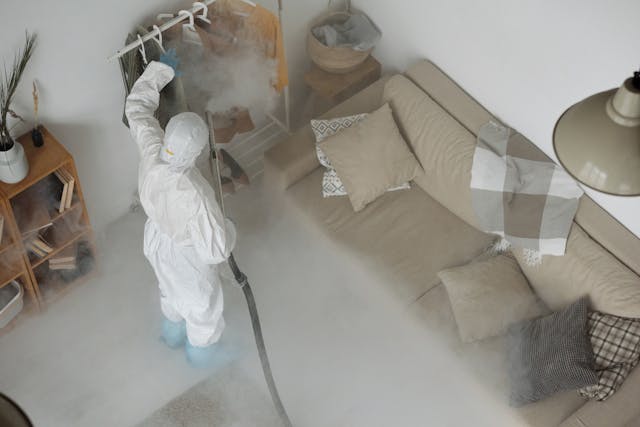
Regular inspection of shelving units, pallet storage, and back room areas reduces nesting opportunities. Rotating stock minimizes stagnant product that can attract pests. Cleaning teams trained in pest prevention recognize signs such as droppings, gnaw marks, or unusual odors and report them immediately.
This early detection model limits escalation. Instead of discovering infestations after product loss, businesses address warning signs quickly and maintain operational continuity.
Communication Between Cleaning And Pest Professionals
Integration succeeds when communication flows clearly. Cleaning teams and pest control professionals should share observations and align schedules. If pest technicians identify recurring problem areas, cleaning protocols can be adjusted accordingly.
In residential service models, homeowners benefit from coordinated advice. Cleaning adjustments may be recommended alongside targeted pest treatments. In commercial contracts, joint reporting systems ensure both teams track improvements and risks.
This collaborative framework reduces redundancy and strengthens overall results. Prevention becomes continuous rather than episodic.
Protecting Brand Reputation Through Prevention
For commercial properties, pest incidents can damage brand reputation rapidly. Online reviews and public health inspections amplify visibility. Clean facilities that experience infestations often face scrutiny over operational standards.
By embedding pest prevention into cleaning protocols, businesses demonstrate commitment to higher standards. Detailed sanitation logs, moisture monitoring, and documented inspections support compliance and transparency.
In residential contexts, proactive prevention reduces stress and unexpected costs for homeowners. Instead of reacting to visible infestations, they maintain controlled environments that discourage intrusion.
A Shift From Reactive To Preventative Thinking
Traditional pest control models often focus on treatment after signs appear. Cleaning services focus on visible hygiene. Integration merges these perspectives into a preventative system.
This shift requires training, awareness, and consistent documentation. Cleaning becomes more than wiping surfaces. It becomes environmental management. Pest control becomes less about emergency response and more about partnership.
When clean meets control, spaces become not only visually appealing but structurally resilient. Homes remain comfortable. Commercial operations remain uninterrupted. The goal is not simply absence of dirt or absence of pests. It is the presence of a coordinated strategy that keeps both in check.
In the end, the strongest protection is built quietly into daily routines. Integrated cleaning and pest prevention make that protection sustainable.