Roofing inspections are commonly associated with identifying leaks, material wear, and structural damage. However, they also play a critical role in uncovering hidden pest entry points that often go unnoticed until infestations are well established. Because roofs sit at the intersection of exterior exposure and interior systems, small defects at this level can become major access routes for pests.
Many pest problems that appear inside walls, ceilings, or upper floors actually begin at the roof. Regular, detailed roofing inspections help identify these vulnerabilities early, allowing property owners and managers to address pest risks before they spread throughout the building.
Why Roofs Are High-Risk Areas for Pest Entry
Roofs provide shelter, elevation, and reduced human activity, making them attractive to pests. Birds, rodents, insects, and even wildlife often access roofs using nearby trees, utility lines, or adjacent structures. Once on the roof, pests explore seams, edges, and penetrations in search of entry points.
Unlike ground-level access points, roof-related openings are rarely visible from inside the building. This allows pests to enter and move through wall cavities or insulation without immediate detection. Roofing inspections focus on these elevated vulnerabilities that standard pest checks may miss.
Damaged or Deteriorated Roofing Materials
One of the first things a roofing inspection reveals is material degradation. Cracked shingles, lifted membranes, deteriorated flashing, or loose panels create small gaps that pests exploit easily.
Rodents can enlarge weakened areas by chewing, while insects require only minimal openings to enter. Roofing inspections help identify early material failure before pests turn minor defects into permanent access routes.
Flashing Failures Around Roof Transitions
Flashing protects transitions where the roof meets walls, chimneys, skylights, or parapets. These transition points are some of the most common pest entry locations because they involve multiple materials and seals.
Over time, flashing can pull away, corrode, or lose sealant due to weather exposure and thermal movement. Roofing inspections reveal gaps and separations at these points that allow pests to bypass exterior walls entirely and enter directly into roof assemblies or wall cavities.
Roof Penetrations and Utility Openings
Commercial and residential roofs often contain penetrations for vents, exhaust fans, plumbing stacks, and mechanical systems. Each penetration represents a break in the roof surface that must be sealed properly.
Inspections frequently uncover deteriorated sealant, cracked boots, or loose collars around these penetrations. Pests follow utility lines instinctively, and compromised seals provide direct access into the building. Identifying and resealing these areas is a key outcome of thorough roofing inspections.
Drainage Components as Pest Hotspots
Roof drains, scuppers, and gutters are common locations for pest activity. Debris accumulation creates nesting material, standing water, and organic buildup that attract insects and birds.
Roofing inspections assess whether drainage components are clear, intact, and functioning properly. Blocked or damaged drains not only cause water pooling but also create environments where pests can nest and move deeper into the structure.
Roof Edge Gaps and Parapet Issues
Roof edges and parapets are frequent pest entry points, especially on flat or low-slope roofs. Gaps between roofing materials and vertical walls often develop as buildings age or shift.
Rodents and birds use these edges as access routes, slipping into cavities beneath roof membranes or behind fascia. Roofing inspections that include edge conditions help identify these hidden openings before they lead to interior infestations.
Insulation Damage and Pest Activity Signs
Roofing inspections sometimes reveal indirect evidence of pest presence, such as disturbed insulation, nesting material, or droppings near access points. These signs indicate that pests are already using roof-level pathways.
Damaged insulation reduces energy efficiency and creates additional hiding spaces for pests. Identifying this damage early helps prevent further spread and allows for targeted remediation rather than widespread treatment.
Moisture Problems That Attract Pests
Moisture is a major driver of pest activity, and roofing inspections often uncover leaks, condensation, or pooling water. These moisture sources attract insects and support mold growth, which can further degrade materials.
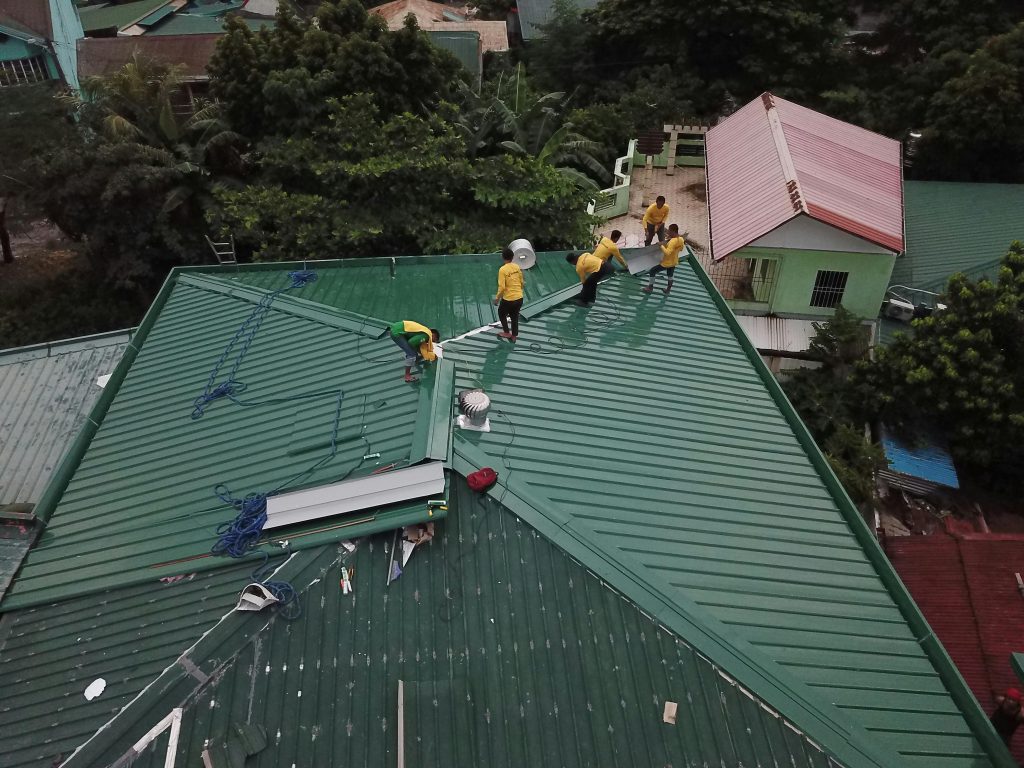
Even minor moisture issues at the roof level can create favorable conditions for pests to enter and remain inside the structure. Roofing inspections that address moisture problems help remove one of the key factors pests rely on.
How Roofing Inspections Reveal Structural Gaps
As buildings age, movement and settling create small structural gaps around roof components. These gaps are rarely visible without close inspection and often occur where different materials meet.
Roofing inspections identify these subtle shifts and separations. Sealing them not only improves weather resistance but also closes off hidden pest entry points that would otherwise remain undetected.
Renovation and Repair Vulnerabilities
Recent roofing repairs or renovations can introduce new pest risks if sealing is rushed or incomplete. Temporary openings, disturbed materials, or improperly finished repairs often create access points.
Roofing inspections following repair work help ensure that all penetrations and seams are fully sealed. This step is critical for preventing pests from exploiting newly altered areas.
Why Interior Pest Issues Often Trace Back to the Roof
Pests that enter through the roof rarely stay there. Once inside, they move along insulation, framing, and utility pathways to reach living or working spaces. By the time pests are noticed indoors, the original roof entry point may be far removed from the visible problem.
Roofing inspections help identify the true source of infestations rather than treating symptoms inside the building. This root-cause approach leads to more effective and lasting pest prevention.
Integrating Roofing Inspections Into Pest Prevention Strategies
Pest prevention is most effective when structural vulnerabilities are addressed alongside treatment efforts. Roofing inspections provide critical insight into where prevention measures should be focused.
By incorporating pest awareness into routine roofing inspections, property owners reduce reliance on reactive pest control. Structural sealing, drainage maintenance, and material repair work together to prevent infestations before they begin.
The Cost of Overlooking Roof-Level Entry Points
Ignoring roof-related pest entry points often leads to recurring infestations and escalating costs. Pest treatments may provide temporary relief, but pests return if access routes remain open.
Roofing inspections that identify and correct these vulnerabilities reduce long-term pest control expenses and protect interior spaces from damage and contamination.
Conclusion: Roofing Inspections Expose What Pests Exploit
Roofing inspections reveal far more than surface-level wear. They uncover hidden gaps, moisture issues, and material failures that pests use to enter and move through buildings unnoticed.
By recognizing the connection between roof conditions and pest activity, property owners can address risks proactively. Regular, detailed roofing inspections close off entry points before pests take advantage, protecting the building from the top down.