When pest activity shows up around commercial properties, it is usually treated as a sanitation or landscaping issue. However, recurring pest problems near parking lots, walkways, and paved surfaces often point to something deeper than surface-level conditions. In many cases, pests are responding to structural weaknesses in asphalt. From cracks that collect moisture to subsurface voids that offer shelter, failing asphalt can unintentionally create ideal environments for insects and rodents. Understanding this connection helps property owners and facility managers see pavement maintenance not just as an aesthetic or safety concern, but as part of a broader strategy to protect the site as a whole.
Commercial asphalt surfaces are constantly exposed to traffic, weather, and environmental stress. When deterioration begins, it rarely stays confined to the pavement alone. The changes below and within the asphalt can directly influence pest behavior, making pavement condition an often-overlooked factor in pest activity.
How Asphalt Deterioration Creates Pest-Friendly Conditions
Asphalt does not fail all at once. It begins with small cracks, surface wear, or slight depressions that may seem harmless at first. Over time, these openings allow water, organic debris, and soil to accumulate. Moisture and warmth trapped within damaged pavement create attractive conditions for many pests.
Insects such as ants are especially drawn to cracks where they can nest undisturbed while remaining close to food sources. Rodents may take advantage of voids beneath weakened asphalt, using them as pathways or shelter. When pavement deterioration progresses, these spaces become more accessible and more stable for pests, allowing infestations to grow without being immediately visible.
Cracks as Entry Points and Habitat
Cracking is one of the earliest and most common signs of asphalt failure. In commercial environments, cracks often form due to traffic stress, temperature fluctuations, or inadequate base support. While these cracks may appear minor, they serve as direct entry points for pests.
Once cracks open, they collect dust, moisture, and organic material. This combination creates an ideal microenvironment for insects. Ant colonies, for example, frequently establish themselves within cracked pavement because it offers warmth, protection, and access to surrounding areas. Over time, pest activity can further widen cracks as insects move material and disturb the surrounding structure, accelerating pavement deterioration.
Moisture Retention and Its Role in Pest Activity
Water is one of the most damaging elements for asphalt and one of the most attractive factors for pests. Poor drainage, surface depressions, and subsurface failures allow water to linger beneath and within the pavement structure. This trapped moisture weakens the asphalt base and subgrade while simultaneously attracting insects and rodents that seek hydration and cooler environments.
Standing water near failing asphalt also supports plant growth in cracks and joints. Weeds and grass provide cover and food sources for pests, making the area even more appealing. From a maintenance perspective, visible moisture problems often signal deeper structural issues that should be addressed before both pavement and pest problems worsen.
Subsurface Voids and Rodent Activity
When asphalt begins to lose structural integrity, voids can form beneath the surface. These voids are often caused by poor compaction, erosion of the base, or water infiltration. While they may not be immediately visible, pests are quick to find and exploit them.
Rodents, in particular, are drawn to these underground spaces. Voids beneath asphalt provide shelter from predators, stable temperatures, and easy access to nearby buildings or landscaped areas. As rodents move through these spaces, they can enlarge voids and destabilize the pavement further, increasing the risk of surface collapse or pothole formation.
The Link Between Pests and Accelerated Pavement Failure
Pest activity does not just reveal existing asphalt problems; it can actively contribute to further damage. Burrowing insects and rodents disturb soil and base materials, reducing support beneath the pavement. This movement increases the likelihood of settlement, cracking, and surface deformation.
Additionally, organic material brought into cracks by pests retains moisture and promotes further deterioration. What begins as a small pavement defect can quickly turn into a recurring maintenance issue when pest activity is involved. Addressing only the pests without correcting the pavement conditions often results in repeated infestations and escalating repair costs.
Why Commercial Properties Are More Vulnerable
Commercial sites face unique challenges that make them particularly susceptible to the asphalt-pest connection. Heavy traffic loads, frequent deliveries, and large paved areas increase the likelihood of structural stress. At the same time, commercial properties often include waste areas, landscaping, and building access points that attract pests.
When asphalt around loading docks, dumpsters, or building perimeters begins to fail, pests find convenient routes between pavement, soil, and structures. This proximity increases the risk of pests entering buildings, creating concerns that extend beyond pavement maintenance into tenant satisfaction and facility health.
Asphalt Maintenance as a Preventive Measure
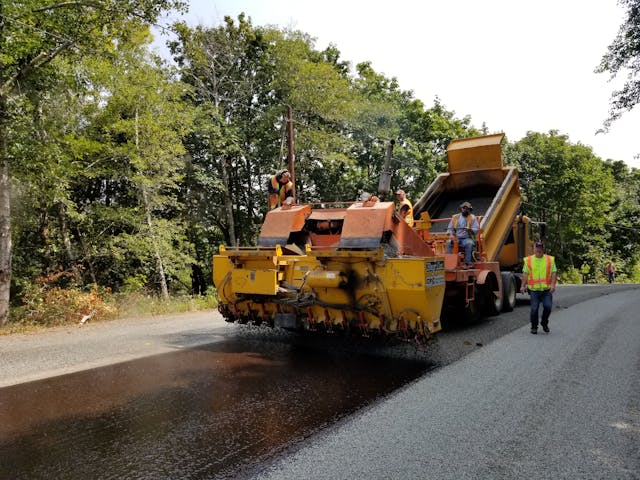
Proactive asphalt maintenance plays an important role in reducing pest-friendly conditions. Timely crack sealing prevents moisture and debris from entering the pavement structure. Surface treatments help protect asphalt from water infiltration and slow the progression of deterioration.
Regular inspections allow property managers to identify early signs of failure before they become structural problems. By addressing small issues promptly, it is possible to eliminate the conditions that attract pests while also extending the life of the pavement. This approach reduces the need for both repeated asphalt repairs and pest control interventions.
Drainage and Base Integrity Matter More Than Appearance
While surface appearance is important for commercial properties, the underlying structure of the asphalt is far more critical when it comes to pest activity. Proper drainage design ensures water moves away from paved areas instead of collecting beneath them. A strong, well-compacted base prevents voids from forming and limits access points for burrowing pests.
When drainage and base integrity are compromised, surface repairs alone are rarely effective. Pests will continue to exploit weaknesses below the surface, and pavement failures will reappear. Long-term solutions require addressing the root causes of both moisture retention and structural instability.
Coordinating Pavement and Property Maintenance
One of the most effective ways to manage pest-related asphalt issues is through coordinated maintenance planning. Pavement inspections should be aligned with broader property assessments that include drainage, landscaping, and building perimeter conditions. This holistic approach helps identify patterns, such as recurring pest activity in the same areas where asphalt repairs are needed.
By viewing pavement as part of the overall site infrastructure rather than an isolated surface, property managers can make more informed decisions. This perspective leads to repairs that solve multiple problems at once, improving site durability and reducing long-term costs.
When Pest Activity Signals the Need for Structural Repairs
Repeated pest activity in the same paved areas is often a warning sign that surface-level fixes are no longer sufficient. If cracks reappear shortly after sealing, or if pests return despite treatment, it may indicate deeper base or drainage failures. In these cases, more comprehensive asphalt rehabilitation may be required.
Full-depth repairs address both the surface and the underlying structure, eliminating voids and restoring proper support. While these repairs involve a greater upfront investment, they resolve the conditions that allow pests to thrive and prevent recurring damage.
Seeing the Bigger Picture Below the Surface
Pests are often among the first indicators that something is wrong beneath a commercial asphalt surface. Their presence highlights moisture issues, structural weaknesses, and neglected maintenance that might otherwise go unnoticed. Rather than treating pest activity and pavement deterioration as separate problems, it is more effective to recognize their connection.
From a commercial paving and maintenance perspective, addressing asphalt health is a proactive way to reduce pest risks, protect property value, and maintain safe, functional surfaces. When the pavement structure is sound and properly maintained, it becomes far less inviting to pests, supporting a cleaner, more resilient commercial environment over the long term.