Painting is often viewed as a way to improve the appearance of a property, refresh outdated spaces, or enhance curb appeal. While aesthetics are certainly important, residential and commercial painting serves a much larger purpose than simply changing color schemes or updating finishes. A professionally applied paint system acts as a protective barrier that helps defend buildings against environmental conditions that can gradually cause costly damage.
Two of the most common threats to residential and commercial structures are moisture intrusion and pest activity. Water can weaken building materials, contribute to mold growth, and accelerate deterioration, while insects and other pests often exploit vulnerable areas created by weathering, cracks, and structural wear. Together, these issues can affect everything from exterior siding and trim to interior walls and ceilings.
Proper painting and ongoing maintenance play an important role in protecting properties from these challenges. When combined with routine inspections and timely repairs, quality paint systems help preserve building materials, reduce exposure to moisture, and eliminate some of the conditions that attract pests.
Paint Serves as a Protective Barrier Against Moisture
Every building is exposed to moisture in some form. Rain, humidity, condensation, snow, irrigation systems, and temperature fluctuations all introduce water that can affect exterior and interior surfaces over time. Building materials such as wood, drywall, masonry, and metal naturally deteriorate faster when exposed to excessive moisture.
Paint creates a protective coating that helps limit direct contact between moisture and underlying surfaces. Exterior paint systems are specifically designed to withstand weather conditions while helping prevent water from penetrating vulnerable materials. Interior coatings also contribute to protection by creating durable surfaces that resist moisture absorption in kitchens, bathrooms, utility areas, and other high-humidity environments.
Without adequate protection, moisture can gradually seep into cracks, joints, and exposed materials. What begins as a small issue may eventually lead to peeling paint, wood rot, staining, swelling, mold growth, or structural deterioration. Maintaining painted surfaces helps reduce these risks by preserving the integrity of the building envelope.
Regular repainting and touch-up work become especially important as coatings age. Over time, weather exposure naturally reduces a paint system’s effectiveness, making periodic maintenance essential for long-term protection.
Moisture Damage Often Begins With Small Surface Failures
Many significant moisture problems start with seemingly minor defects that go unnoticed. Small cracks in paint films, peeling sections, damaged caulking, and exposed wood surfaces can provide pathways for water infiltration.
As moisture repeatedly enters these vulnerable areas, deterioration accelerates. Wood may begin to soften and decay, trim components can swell or warp, and surrounding materials may become increasingly susceptible to further damage. In some cases, water intrusion remains hidden behind walls or beneath exterior finishes for extended periods before visible signs appear.
Professional painting projects frequently include surface preparation processes designed to identify and address these weaknesses before applying new coatings. Contractors often inspect surfaces for cracks, gaps, damaged materials, and areas showing signs of moisture-related deterioration.
Repairing these conditions prior to painting helps restore the protective barrier and prevents existing problems from worsening. This preparation phase is one of the most valuable aspects of a professional painting project because it addresses underlying vulnerabilities rather than simply covering them with a fresh coat of paint.
Properly Maintained Surfaces Are Less Attractive to Many Pests
Pests are constantly searching for shelter, food sources, moisture, and entry points. Properties showing signs of deterioration often provide ideal conditions for insects and other unwanted visitors.
Damaged wood, rotting trim, cracked siding, peeling paint, and moisture-compromised building materials can become attractive environments for various pest species. Certain insects are particularly drawn to damp or decaying wood because it is easier to penetrate and may provide favorable nesting conditions.
A well-maintained paint system helps preserve the condition of exterior materials, reducing opportunities for pests to exploit weakened areas. By protecting surfaces from excessive moisture and weather-related deterioration, paint indirectly contributes to a less hospitable environment for many common pest problems.
Painting alone does not eliminate pest infestations, but it supports broader prevention efforts by helping maintain structural integrity and reducing conditions that may encourage pest activity. Property owners who prioritize maintenance often discover that preventive measures are far more effective than responding after significant problems develop.
Exterior Painting Helps Preserve Vulnerable Building Components
Certain portions of a structure are particularly vulnerable to both moisture damage and pest activity. Exterior trim, fascia boards, soffits, window frames, door frames, siding, and decorative wood elements experience continual exposure to environmental conditions throughout the year.
These components frequently absorb the greatest impact from rain, sunlight, humidity, and temperature changes. As protective coatings deteriorate, underlying materials become increasingly susceptible to water penetration and physical wear.
Professional exterior painting helps shield these exposed areas from environmental stress. Properly prepared and painted surfaces are better equipped to resist moisture infiltration while maintaining their structural condition over time.
When maintenance is delayed for extended periods, minor issues can develop into more extensive repairs involving wood replacement, structural restoration, or pest remediation. Routine painting helps extend the lifespan of exterior building components and reduces the likelihood of premature deterioration.
For commercial properties, preserving these elements is especially important because maintenance issues can affect tenant satisfaction, operational continuity, and overall property value.
Interior Painting Supports Healthier Indoor Environments
Although moisture concerns are often associated with exterior surfaces, interior environments can also experience water-related challenges. Bathrooms, kitchens, laundry rooms, basements, utility areas, and commercial facilities frequently encounter elevated humidity levels.
When moisture accumulates indoors, walls and ceilings may become vulnerable to staining, mildew growth, and surface deterioration. Appropriate paint systems help create more durable finishes capable of resisting moisture exposure in these demanding environments.
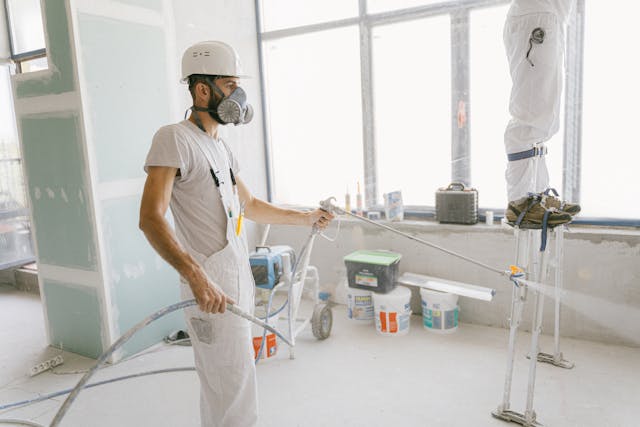
Professional painters often recommend coatings specifically suited to areas where humidity and frequent cleaning are expected. These finishes contribute to easier maintenance while helping preserve the appearance and condition of interior surfaces.
Maintaining painted interior spaces also supports early identification of potential moisture issues. Water stains, discoloration, bubbling paint, and peeling finishes can serve as warning signs that warrant further investigation before more serious damage develops.
Addressing these indicators promptly helps prevent localized problems from spreading throughout the property.
Commercial Properties Face Unique Maintenance Challenges
Commercial buildings often experience greater exposure to environmental stress due to their size, occupancy levels, and operational demands. Retail centers, office buildings, warehouses, healthcare facilities, and industrial properties must maintain functional and attractive environments while managing ongoing maintenance requirements.
Moisture intrusion and pest problems can create significant operational disruptions within commercial settings. Damage to building materials, interior finishes, inventory, equipment, or tenant spaces may result in substantial repair costs and inconvenience.
Regular painting programs help commercial property owners maintain protective coatings before deterioration reaches critical levels. Scheduled maintenance allows facility managers to identify vulnerabilities early and implement corrective measures proactively.
Because commercial properties frequently serve employees, customers, tenants, or visitors, preserving building condition also contributes to safety, appearance, and overall user experience. A well-maintained property reflects professionalism while reducing the likelihood of costly repairs associated with deferred maintenance.
Surface Preparation Is Critical for Long-Term Protection
The effectiveness of any paint system depends heavily on proper preparation. Applying new paint over damaged, dirty, or deteriorated surfaces often results in premature failure and reduced protection.
Professional painting contractors typically begin projects by cleaning surfaces, removing loose paint, repairing damaged materials, sealing cracks, and addressing moisture-related concerns. This preparation process creates a stable foundation that allows coatings to perform as intended.
Surface preparation also provides an opportunity to identify developing issues before they become major problems. Areas affected by water intrusion, structural movement, or pest activity can often be discovered during inspection and preparation phases.
Addressing these concerns before painting ensures that the protective benefits of the new coating system are not compromised by underlying damage. This proactive approach supports longer-lasting results and maximizes the value of the investment.
Preventive Maintenance Costs Less Than Major Repairs
Property owners sometimes postpone painting projects because surfaces still appear relatively functional. However, waiting until visible damage becomes severe often leads to higher repair expenses and more extensive restoration requirements.
Moisture damage rarely improves without intervention. Similarly, pest problems can expand rapidly once favorable conditions develop. Preventive maintenance focuses on preserving protective barriers before significant deterioration occurs.
Routine painting helps reduce exposure to environmental factors that contribute to long-term property damage. By maintaining coatings, repairing vulnerable areas, and addressing minor defects promptly, owners can often avoid larger repair projects involving structural components, extensive wood replacement, moisture remediation, or pest control measures.
This preventive approach benefits both residential and commercial properties by protecting assets and extending the lifespan of building materials.
Painting Plays an Important Role in Property Protection
Residential and commercial painting provides far more value than visual enhancement alone. Properly maintained paint systems serve as protective barriers that help defend structures against moisture intrusion, weather-related deterioration, and conditions that may contribute to pest activity.
By preserving exterior surfaces, protecting vulnerable building components, supporting indoor durability, and encouraging proactive maintenance, painting becomes an important part of comprehensive property care. Regular inspections, quality surface preparation, and timely repainting help ensure coatings continue performing their protective function year after year.
While painting is only one component of an effective maintenance strategy, its role in preventing moisture damage and reducing common pest-related vulnerabilities should not be overlooked. Property owners who prioritize protective maintenance often experience fewer costly repairs, improved building longevity, and greater confidence in the long-term condition of their investment.