Modern electrical systems are more advanced and interconnected than ever before. Homes and commercial buildings now rely on extensive wiring networks, smart devices, electrical panels, security systems, internet infrastructure, automated controls, and energy management technologies to support daily operations. While these systems provide greater convenience, efficiency, and functionality, they also introduce new vulnerabilities that property owners may overlook.
One of the most persistent threats to electrical infrastructure comes from rodents and other pests. Mice, rats, squirrels, insects, and various wildlife species can cause significant damage to electrical components by chewing wiring, nesting inside equipment, contaminating enclosures, and creating conditions that increase the risk of system failures. Unfortunately, pest-related electrical damage often remains hidden until a serious problem develops.
Protecting electrical installations from pests requires a proactive approach that combines prevention, routine inspections, proper maintenance, and early intervention. Taking action before damage occurs can help property owners avoid expensive repairs, unexpected outages, safety hazards, and disruptions to daily operations.
Why Rodents Are Attracted to Electrical Systems
Rodents are constantly searching for food, water, shelter, and safe nesting locations. Modern buildings provide numerous opportunities to meet these needs, particularly within walls, attics, crawl spaces, utility rooms, ceilings, and equipment enclosures.
Electrical pathways often create convenient travel routes throughout a structure. Conduits, wall cavities, cable trays, and service penetrations can provide access to protected areas where rodents feel secure from predators and environmental conditions.
In addition, electrical wiring itself can attract rodents. While animals are not specifically seeking electrical components, many species instinctively chew on various materials to control the growth of their teeth. Wire insulation, cable coverings, and protective coatings may become targets for gnawing behavior.
As rodents move through electrical spaces, they can damage insulation, expose conductors, compromise connections, and create conditions that lead to shorts, interruptions, or equipment failures.
The problem often develops gradually, making early detection particularly important.
Electrical Damage Can Become Expensive Quickly
Minor chewing damage may initially seem insignificant, but even small defects can create serious consequences over time. Damaged insulation exposes wiring to moisture, corrosion, physical contact, and other environmental hazards that reduce system reliability.
Electrical shorts, intermittent power interruptions, equipment malfunctions, and communication failures are common outcomes when wiring integrity is compromised. In some situations, damaged conductors may generate heat that increases the risk of fire or further deterioration.
For residential properties, pest-related electrical issues can affect lighting circuits, outlets, appliances, security systems, internet connectivity, and HVAC equipment. Commercial facilities often face even greater risks because electrical disruptions can interrupt operations, affect productivity, damage equipment, and create costly downtime.
Repair costs frequently extend beyond simple wire replacement. Technicians may need to locate concealed damage, remove contaminated materials, repair structural openings, replace equipment, and implement additional protective measures to prevent recurring problems.
Preventing damage before it occurs is typically far more economical than responding after extensive repairs become necessary.
Modern Smart Systems Create Additional Vulnerabilities
Today’s buildings contain significantly more low-voltage wiring and connected technologies than previous generations. Smart thermostats, security cameras, access controls, networking equipment, automation systems, sensors, and energy management platforms all depend on reliable electrical and communication infrastructure.
These systems often utilize smaller cables and sensitive electronic components that may be particularly vulnerable to pest activity. Damage that might previously have affected a single lighting circuit could now disrupt multiple integrated technologies throughout a property.
For example, rodent activity inside an attic or utility space may impact internet connectivity, surveillance systems, automated controls, and communication networks simultaneously. Diagnosing these issues can become complex because symptoms may appear unrelated to pest activity initially.
As smart building technologies become increasingly common, protecting supporting electrical infrastructure becomes even more important for maintaining reliable system performance.
Common Entry Points Often Go Unnoticed
Many pest-related electrical problems begin with small openings that allow animals access to concealed areas. Utility penetrations, gaps around conduits, damaged vents, foundation cracks, roof openings, and unsealed building transitions can all provide entry opportunities.
Once inside, rodents often travel through wall cavities, attic spaces, crawl spaces, and mechanical rooms where electrical infrastructure is concentrated. These areas may receive little routine attention, allowing infestations and damage to progress unnoticed.
Electrical contractors frequently encounter signs of pest activity during service calls involving unexplained outages, malfunctioning equipment, or intermittent electrical issues. By the time visible symptoms appear, significant damage may already have occurred.
Routine inspections of vulnerable areas help identify potential entry points before they become major problems. Sealing openings and maintaining building envelopes are important preventive measures that support both pest control and overall facility protection.
Commercial Facilities Face Unique Risks
Commercial properties often present attractive environments for rodents and other pests due to their size, complexity, and operational characteristics. Warehouses, manufacturing facilities, retail centers, office buildings, restaurants, and healthcare environments all contain infrastructure that may be vulnerable to pest activity.
Large facilities frequently include extensive wiring networks, equipment rooms, suspended ceilings, utility corridors, and storage areas that provide shelter and movement pathways for rodents. Multiple vendors, deliveries, waste management activities, and operational schedules can further increase exposure risks.
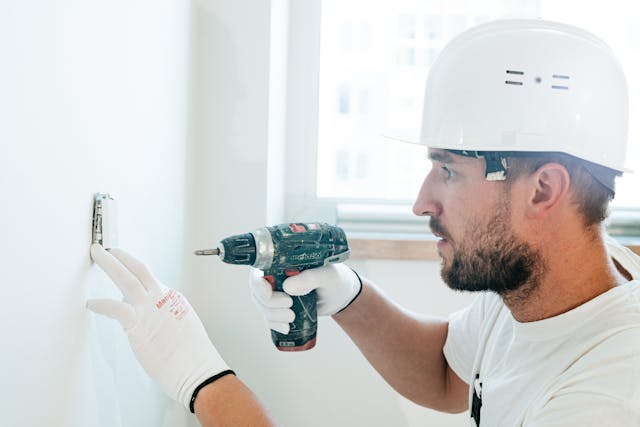
Electrical disruptions within commercial environments can have significant consequences. Equipment downtime, security system failures, communication interruptions, and productivity losses may affect daily operations and customer experiences.
Because commercial properties often rely on interconnected systems, a single area of damage can produce cascading effects across multiple functions. Preventive inspections and integrated maintenance strategies help reduce these risks while supporting long-term reliability.
Moisture and Pests Often Work Together
Electrical damage is not always caused directly by chewing activity. Moisture problems frequently contribute to pest-related electrical failures by creating favorable conditions for infestations and accelerating equipment deterioration.
Leaks, condensation, poor drainage, and elevated humidity can attract rodents and insects while simultaneously increasing the vulnerability of electrical components. Damp environments may encourage nesting activity and contribute to corrosion within electrical enclosures, conduits, and connection points.
When moisture and pest activity occur together, the resulting damage can be significantly more severe than either issue alone. Electrical systems exposed to both conditions often experience reduced lifespan and increased maintenance requirements.
Addressing moisture management as part of a broader prevention strategy helps reduce pest attraction while protecting electrical infrastructure from environmental deterioration.
Regular Inspections Support Early Detection
One of the most effective ways to prevent costly repairs is through routine inspection and maintenance. Electrical systems should be evaluated periodically for signs of damage, contamination, unusual wear, and pest activity.
Warning signs may include gnawed wiring, droppings, nesting materials, damaged insulation, unusual odors, scratching noises, unexplained equipment failures, or visible animal activity near utility areas. Even seemingly minor indicators deserve attention because pest populations can expand rapidly if left unaddressed.
Professional inspections provide opportunities to identify vulnerabilities before significant damage develops. Electrical contractors can assess system condition while recommending protective measures that reduce future risks.
Early detection often allows corrective actions to be implemented at a fraction of the cost associated with major repairs or equipment replacement.
Integrated Prevention Produces the Best Results
Protecting electrical installations from rodents and pests requires more than a single solution. Effective prevention typically combines multiple strategies designed to reduce access, eliminate attractants, and improve monitoring.
Building maintenance plays an important role by addressing structural openings, moisture issues, vegetation management, and sanitation concerns. Pest management professionals help monitor activity levels and implement targeted control measures when necessary. Electrical contractors contribute by inspecting infrastructure, identifying vulnerabilities, and ensuring systems remain protected.
When these efforts are coordinated, property owners achieve stronger protection against both pest activity and resulting electrical damage. Prevention becomes part of a broader maintenance strategy rather than an isolated response to individual problems.
This proactive approach supports system reliability while helping avoid unexpected disruptions and repair expenses.
Protecting Electrical Infrastructure Saves Time, Money, and Stress
Modern electrical systems represent a significant investment in the safety, functionality, and efficiency of residential and commercial properties. Unfortunately, rodents and other pests can compromise that investment through hidden damage that often remains undetected until serious problems emerge.
Chewed wiring, damaged insulation, contaminated equipment, and disrupted connections can lead to expensive repairs, operational interruptions, safety concerns, and premature equipment failure. As buildings become increasingly dependent on smart technologies and connected systems, the consequences of electrical damage continue to grow.
Property owners who prioritize preventive maintenance, routine inspections, moisture management, and pest exclusion measures place themselves in a stronger position to protect valuable infrastructure. Identifying vulnerabilities early and addressing them proactively helps preserve system reliability while minimizing long-term costs.
By taking action before damage occurs, homeowners and businesses can reduce risk, extend equipment lifespan, and maintain the dependable electrical performance that modern properties require every day.