Home renovations and remodeling projects are often associated with improved aesthetics, increased property value, and enhanced functionality. Homeowners may renovate kitchens to improve workflow, remodel bathrooms to increase comfort, or update living spaces to better match changing lifestyle needs. While these improvements deliver important benefits, renovations can also create opportunities to address another critical concern that is often overlooked: pest prevention.
Many pest problems originate from structural vulnerabilities hidden within aging homes and commercial properties. Cracks in foundations, deteriorated building materials, moisture issues, poorly sealed openings, damaged siding, and outdated construction details can all create opportunities for rodents, insects, and other pests to enter and establish themselves indoors. Remodeling projects provide a valuable opportunity to identify and correct these weaknesses before they develop into larger infestations.
By incorporating pest-resistant design principles into renovation plans, property owners can improve both the appearance and long-term durability of their buildings while reducing the likelihood of future pest-related issues. Modern remodeling strategies increasingly recognize that structural improvements and pest prevention often go hand in hand.
Renovations Reveal Hidden Structural Vulnerabilities
One of the greatest advantages of renovation projects is the access they provide to areas that are normally concealed behind walls, ceilings, flooring, and exterior finishes. During demolition and remodeling activities, contractors frequently uncover conditions that would otherwise remain hidden for years.
These discoveries may include gaps around utility penetrations, deteriorated framing, moisture-damaged materials, poorly sealed openings, aging insulation, and evidence of previous pest activity. Such conditions often provide ideal entry points or harborage areas for rodents, insects, and other unwanted pests.
Without renovation work, these vulnerabilities can remain unnoticed until a pest infestation becomes severe enough to produce visible symptoms. Remodeling creates an opportunity to address problems proactively while surfaces are already exposed and accessible.
Correcting these issues during renovation is often more efficient and cost-effective than attempting repairs after construction has been completed or pest populations have become established.
Sealing Entry Points Is Easier During Remodeling
Most pests gain access to structures through surprisingly small openings. Rodents can enter through gaps around pipes, utility lines, vents, foundations, and exterior penetrations. Insects often exploit cracks, expansion joints, damaged weather barriers, and poorly sealed transitions between building materials.
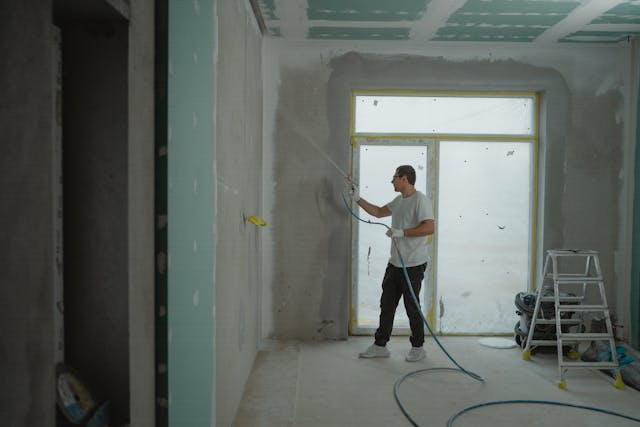
Renovation projects frequently involve modifications to walls, floors, plumbing systems, electrical infrastructure, windows, and exterior surfaces. These activities create ideal opportunities to identify and seal potential entry points before finishes are installed.
Contractors can install appropriate barriers, improve weatherproofing, repair damaged materials, and ensure penetrations are properly sealed as part of the remodeling process. Because access is already available during construction, these preventive measures can often be implemented with minimal additional disruption.
Reducing access opportunities is one of the most effective long-term pest prevention strategies, and remodeling projects provide a practical framework for accomplishing this goal.
Moisture Management Plays a Critical Role
Moisture is one of the most common factors contributing to pest problems. Many insects and rodents are attracted to damp environments because they provide water sources, favorable nesting conditions, and increased access to deteriorating building materials.
Renovations often address issues such as plumbing leaks, inadequate ventilation, drainage deficiencies, roofing problems, and aging waterproofing systems. Correcting these conditions helps create a less attractive environment for pests while protecting structural components from deterioration.
Kitchen and bathroom remodels are particularly valuable opportunities to improve moisture management because these areas contain numerous plumbing connections and frequently experience elevated humidity levels. Upgraded ventilation systems, improved drainage, and modern waterproofing methods contribute to healthier indoor environments while reducing pest attraction.
By addressing moisture concerns as part of broader renovation efforts, property owners strengthen both structural performance and pest resistance simultaneously.
Modern Building Materials Can Improve Pest Resistance
Advances in construction materials have created new opportunities to improve pest resistance during remodeling projects. While no building material can guarantee complete protection against all pest activity, certain products offer greater durability and reduced vulnerability compared to older alternatives.
During renovations, homeowners may replace deteriorated wood components, damaged siding, aging insulation, or worn flooring materials with updated options designed to withstand environmental exposure more effectively. Improved materials often resist moisture intrusion, reduce deterioration, and eliminate conditions that attract pests.
Exterior remodeling projects are particularly important because the building envelope serves as the first line of defense against pest entry. Upgrading siding, trim, soffits, fascia components, and other exterior elements helps strengthen this protective barrier.
Material selection should always balance performance, aesthetics, maintenance requirements, and environmental conditions, but pest resistance can be an important consideration during planning discussions.
Kitchen Remodeling Supports Better Pest Prevention
Kitchens are among the most common areas for pest activity because they provide access to food, water, warmth, and shelter. Older kitchens may contain hidden gaps, deteriorated cabinetry, plumbing leaks, and difficult-to-clean spaces that create favorable conditions for insects and rodents.
Remodeling projects allow homeowners to address these vulnerabilities while improving functionality and appearance. New cabinetry, updated countertops, improved storage solutions, and modern plumbing installations help eliminate many of the conditions that attract pests.
Properly sealed cabinetry, organized storage areas, accessible cleaning surfaces, and leak-free plumbing systems make kitchens easier to maintain and less appealing to unwanted visitors. Improved layouts may also reduce clutter and eliminate inaccessible voids where pests can hide.
As a result, kitchen renovations often contribute significantly to overall pest prevention efforts while enhancing daily usability.
Exterior Improvements Strengthen Property Defenses
Many pest infestations begin outside the structure before eventually moving indoors. Landscaping features, damaged exterior materials, foundation cracks, roof deficiencies, and deteriorating building components can all increase vulnerability.
Exterior remodeling projects provide opportunities to strengthen the building envelope and improve property-wide pest resistance. Replacing damaged siding, repairing trim, upgrading roofing systems, improving drainage, and sealing foundation openings all help reduce access points and environmental conditions that encourage pest activity.
Landscaping modifications may also play a role. Renovations often include adjustments to grading, vegetation placement, hardscape elements, and drainage systems that improve moisture control while reducing areas where pests may congregate.
A strong exterior defense helps prevent problems before they reach interior living spaces, making exterior renovations an important component of long-term pest management strategies.
Attics and Crawl Spaces Deserve Special Attention
Attics and crawl spaces frequently provide ideal environments for rodents, insects, and other pests because they are often dark, quiet, and infrequently inspected. These areas may contain insulation, wiring, plumbing infrastructure, and structural components that create numerous hiding opportunities.
Renovation projects involving insulation upgrades, energy-efficiency improvements, roofing work, or structural repairs often provide access to these vulnerable spaces. This creates an opportunity to identify signs of pest activity, repair entry points, improve ventilation, and address moisture concerns.
Upgrading insulation and sealing air leaks can also reduce access pathways while improving overall building performance. Because attics and crawl spaces play important roles in both energy efficiency and pest prevention, addressing them during remodeling projects often delivers multiple benefits simultaneously.
Ignoring these areas can allow hidden problems to persist even when visible portions of the home appear well maintained.
Commercial Remodeling Offers Similar Benefits
The relationship between remodeling and pest prevention extends beyond residential properties. Commercial buildings face many of the same structural challenges that affect homes, including moisture intrusion, aging materials, utility penetrations, and exterior deterioration.
Retail facilities, office buildings, restaurants, warehouses, healthcare environments, and multifamily properties all benefit from renovation strategies that incorporate pest-resistant design principles. Commercial remodeling projects frequently involve upgrades to building envelopes, mechanical systems, storage areas, sanitation infrastructure, and operational layouts.
Addressing pest vulnerabilities during renovations helps reduce maintenance costs, improve occupant comfort, protect assets, and support regulatory compliance where applicable. Because commercial facilities often experience higher occupancy levels and greater operational demands, proactive prevention becomes especially valuable.
Integrating pest-resistant design into commercial renovation planning helps create more resilient and maintainable facilities over the long term.
Prevention Is More Effective Than Reactive Repairs
One of the most important lessons learned through property maintenance is that prevention is typically more cost-effective than reactive intervention. Pest infestations often lead to damaged building materials, contaminated spaces, repair expenses, and ongoing treatment requirements.
Renovations provide an opportunity to address vulnerabilities before they become active problems. Sealing entry points, correcting moisture issues, upgrading materials, improving sanitation conditions, and strengthening structural components all contribute to long-term prevention.
Rather than waiting for evidence of infestation to appear, property owners can use remodeling projects as strategic opportunities to improve resistance and reduce future risk. This proactive approach often produces benefits that extend well beyond pest management alone.
Investments made during renovation can improve durability, energy efficiency, comfort, and maintenance performance while supporting a healthier indoor environment.
Remodeling Can Help Create a Stronger, More Pest-Resistant Property
Renovation and remodeling projects offer far more than visual improvements and increased property value. They provide valuable opportunities to identify structural vulnerabilities, improve moisture management, strengthen building envelopes, upgrade materials, and eliminate conditions that attract pests.
By incorporating pest-resistant design principles into remodeling plans, property owners can create spaces that are not only more attractive and functional but also better protected against future infestations. Whether updating a kitchen, renovating a bathroom, replacing exterior materials, or undertaking a whole-property remodel, each project presents opportunities to enhance long-term resilience.
Pest prevention works best when it is integrated into broader property improvement strategies rather than treated as an isolated concern. Thoughtful renovations address the root causes that often contribute to pest problems while supporting healthier, safer, and more durable buildings for years to come.