Pest control work depends on timing. A technician needs the right route, the right treatment notes, the right customer history, and the right service instructions before reaching a property. Office staff need working phones, clean schedules, payment systems, customer records, and follow-up reminders. When the technology behind those tasks fails, the problem does not stay at the desk. It can affect the entire service day.
IT maintenance and support help pest control companies keep those systems stable. The work may happen behind the scenes, but it affects how quickly calls are answered, how accurately jobs are scheduled, how safely records are stored, and how smoothly technicians move through the field.
Pest Control Companies Run on More Than Trucks and Equipment
A pest control business may look simple from the outside. Customers call, appointments are booked, technicians visit the property, and service reports are sent. Behind that process, though, there are many connected systems working together.
Customer management software stores property details, service history, pest activity notes, invoices, and contact information. Scheduling tools assign technicians to routes. Mobile devices let field teams upload photos, collect signatures, send updates, and review treatment plans. Payment systems process cards and recurring billing. Phones, email, text messaging, and website forms keep customer communication moving.
If one part breaks, everything slows down. A technician who cannot access service notes may arrive unprepared. A dispatcher who cannot see the schedule may double-book a route. A customer who cannot pay online may delay an invoice. IT maintenance keeps these small failures from turning into daily chaos.
Scheduling Systems Need Constant Reliability
Scheduling is one of the most important systems in a pest control business. Jobs are often time-sensitive. A customer with ants in the kitchen, rodents in the attic, wasps near an entryway, or bedbug concerns wants a clear appointment time and fast service. Missed or delayed appointments can quickly damage trust.
IT support helps keep scheduling tools working properly. Software updates, user permissions, device syncing, and calendar integrations all need regular checks. If schedules are shared across office staff and technicians, everyone needs access to the same information at the same time.
A small syncing problem can create confusion. One employee may see an updated appointment while another sees the old time. A technician may miss a route change if their mobile app does not refresh. Stable IT systems reduce these errors and keep the day organized.
Mobile Devices Are Essential for Field Technicians
Technicians rely heavily on phones and tablets during service visits. They use them to view customer records, take photos, complete inspection notes, collect signatures, send reports, and communicate with the office. A cracked screen, weak battery, broken charging port, or software issue can interrupt the visit.
IT maintenance should include mobile device checks. Devices need updates, security protection, backup settings, working apps, and enough storage. Staff should know how to report device problems early instead of waiting until a phone fails during a full route.
Field devices also need strong access controls. If a phone is lost in the field, customer information should not be exposed. Passwords, device locks, remote wipe options, and account permissions help protect the business. Pest control companies handle sensitive property details, so mobile security matters.
Customer Records Must Stay Accurate and Accessible
Pest control depends on history. A property may have recurring rodent activity, termite monitoring records, previous entry points, pet safety notes, customer preferences, or special instructions. Accurate records help technicians make better decisions and avoid repeating the same questions on every visit.
Poor IT maintenance can put those records at risk. Outdated software may crash. Weak backup habits may lead to lost data. Incorrect permissions may let employees edit information they should only view. Duplicate records may confuse billing and service history.
Support teams can help clean up customer databases, manage user roles, set backup schedules, and check whether records are syncing correctly. Good recordkeeping is not just an office task. It directly affects service quality in the field.
Payment Systems Need Protection and Uptime
Many pest control companies rely on digital payments, recurring billing, emailed invoices, and online customer portals. These systems make payment easier for customers and reduce office workload. They also create a serious need for stability and security.
A payment system outage can delay cash flow. Incorrect invoice syncing can create customer frustration. Weak security can put financial information at risk. IT support helps monitor these systems, apply updates, manage access, and troubleshoot errors before they affect too many accounts.
Recurring service plans make this even more important. If billing fails for many customers at once, the office may spend days fixing avoidable problems. Regular system checks help prevent those issues.
Phone and Messaging Systems Shape the Customer Experience
Customers often contact pest control companies when they are stressed. They may hear scratching in the walls, see insects near food, or worry about a dangerous nest near children or pets. They want someone to answer quickly and give clear next steps.
Phone systems, voicemail, text messaging, email, and online forms need to work reliably. If calls drop, messages disappear, or contact forms fail, customers may move on to another provider. Even a short outage can cost appointments.
IT maintenance can include checking call routing, voicemail settings, email deliverability, spam filters, text message tools, and website forms. These are not small details. They are part of how the business receives new work and supports existing customers.
Website Stability Helps Bring in New Leads
A pest control website often serves as the first contact point for new customers. People search for help, read service pages, check locations, and submit quote forms. If the site loads slowly, breaks on mobile, or has forms that do not send correctly, leads can be lost without anyone noticing.
IT support can monitor website uptime, update plugins or software, check forms, improve security, and make sure the site works on common devices. A stable website is especially important during seasonal spikes when pest activity increases and search demand rises.
Lead forms should be tested regularly. A business may spend money on marketing without realizing that form submissions are not reaching the office. Routine IT checks can catch these problems early.
Cybersecurity Matters in Pest Control Operations
Pest control companies store more sensitive information than many realize. Customer names, addresses, gate codes, billing details, service history, property photos, and internal business records all need protection. A cyberattack, phishing email, or stolen password can cause serious damage.
IT maintenance should include cybersecurity basics. Password policies, multi-factor authentication, software updates, antivirus protection, employee training, secure backups, and access reviews all help reduce risk. Staff should be trained to recognize suspicious emails, fake invoices, and login attempts.
Technicians also need guidance. Field teams may connect devices to mobile networks, home Wi-Fi, or public internet while working. Clear rules help protect business accounts and customer data.
Software Updates Should Not Be Ignored
Many business owners delay updates because they do not want to interrupt the workday. That can be understandable, but ignored updates often create bigger problems later. Outdated software may become slower, less secure, or incompatible with other tools.
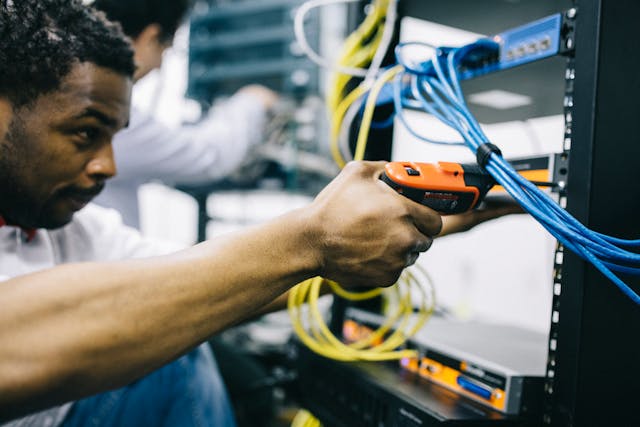
IT support can schedule updates during quieter hours and test important systems afterward. This keeps the business current without creating unnecessary disruption. Updates should cover office computers, mobile devices, routers, security tools, scheduling software, payment systems, and website platforms.
Regular updates also help prevent emergency repairs. A system that is maintained steadily is less likely to fail at the worst possible moment.
Backups Protect the Business During Emergencies
Data loss can be painful for any business, but pest control companies rely heavily on service history. Losing records can affect treatment plans, billing, customer trust, and compliance-related documentation. Backups protect the company when devices fail, software crashes, or files are accidentally deleted.
Backups should be automatic, secure, and tested. A backup that has never been restored may not be dependable. IT support can check whether the right files are being saved and whether the business can recover them quickly.
Service reports, customer databases, invoices, contracts, photos, and internal documents should be included in backup planning. Recovery speed also matters. If a system goes down, the company needs a clear path to resume work.
Route Planning Depends on Clean Technology
Efficient routes save time, fuel, and technician stress. Pest control schedules often group jobs by area, service type, urgency, and technician skill. If routing tools fail or location data is wrong, the day becomes less efficient.
IT maintenance helps keep mapping tools, mobile apps, GPS settings, and scheduling integrations working properly. Clean data matters here too. Incorrect addresses, duplicate customers, or missing service notes can create wasted trips.
A stable routing system also supports better customer communication. Customers appreciate accurate arrival windows and updates. Technicians benefit from realistic schedules that do not require constant rushing.
Office Computers Still Need Regular Attention
Field technology gets a lot of attention, but office computers remain central to daily operations. Staff use them for booking, billing, reporting, customer communication, payroll, purchasing, and management tasks. Slow computers can quietly drain hours from the workweek.
IT support can check hardware performance, storage space, malware issues, system updates, and network connections. Sometimes a computer only needs cleaning, memory upgrades, or software cleanup to work better. Other times, replacement planning is the smarter choice.
Keeping office devices healthy helps staff stay productive. It also reduces frustration during busy seasons when every call and appointment matters.
IT Support Helps With Growth
A pest control business may start with a small team and simple systems. As it grows, those systems need more structure. More technicians mean more devices. More customers mean more records. More service areas mean more routing complexity. More employees mean more user accounts and permissions.
IT support helps the business scale without losing control. New devices can be set up properly. Employee access can be managed. Software can be organized. Backup systems can be expanded. Phone systems and customer tools can be adjusted as call volume grows.
Growth often exposes weak technology habits. A company that handled everything manually with three employees may struggle with fifteen. Strong IT maintenance gives the business a cleaner foundation.
Employee Training Reduces Everyday Tech Problems
Many IT issues come from confusion rather than broken systems. Employees may not know how to update an app, report a syncing issue, avoid suspicious links, or handle a lost device. Training helps prevent small mistakes from turning into bigger problems.
Pest control teams need practical training, not complicated technical lessons. Office staff should know how to handle software errors, login problems, and customer record updates. Technicians should know how to protect mobile devices, upload reports correctly, and contact support when apps fail.
Clear procedures reduce panic. When employees know what to do, problems get fixed faster and service delays are easier to avoid.
Stable Systems Make the Business Look More Professional
Customers may never see the IT work behind a pest control company, but they notice the results. They notice when appointments are confirmed quickly, reports arrive on time, invoices are accurate, and technicians know the property history. They also notice when calls are missed, notes are wrong, or follow-ups are delayed.
Reliable technology supports a more professional service experience. It helps the company respond faster, document work clearly, and keep promises. That consistency builds trust, especially for recurring customers who depend on regular service.
A pest control business does not need overly complicated technology. It needs systems that work, stay secure, and support the people doing the job.
IT Maintenance Keeps Pest Control Operations Moving
Pest control companies deal with urgent calls, seasonal demand, recurring service plans, mobile teams, sensitive customer records, and daily scheduling pressure. Stable technology helps hold all of that together.
IT maintenance and support protect the systems that keep the business running. Scheduling tools stay accurate. Mobile devices stay ready for the field. Customer records stay accessible. Payments process smoothly. Websites capture leads. Backups protect important files. Security controls reduce risk.
When IT support is handled consistently, the business spends less time reacting to problems and more time serving customers. For pest control companies, that stability can make the difference between a stressful service day and a well-run operation.